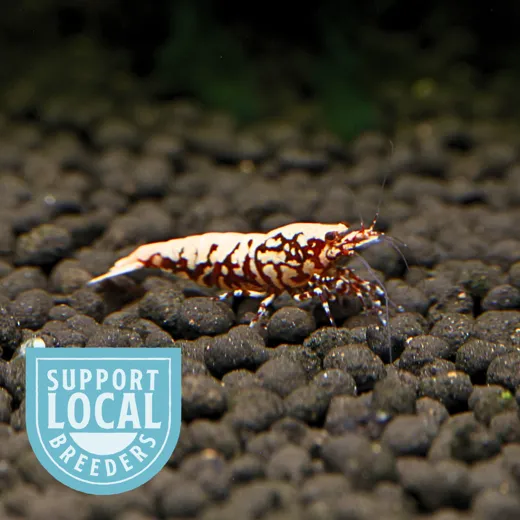
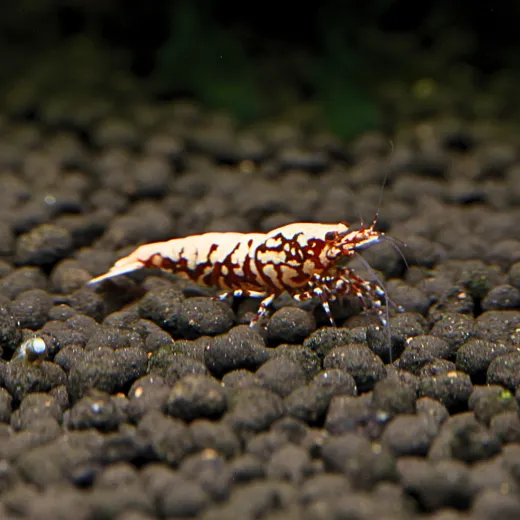
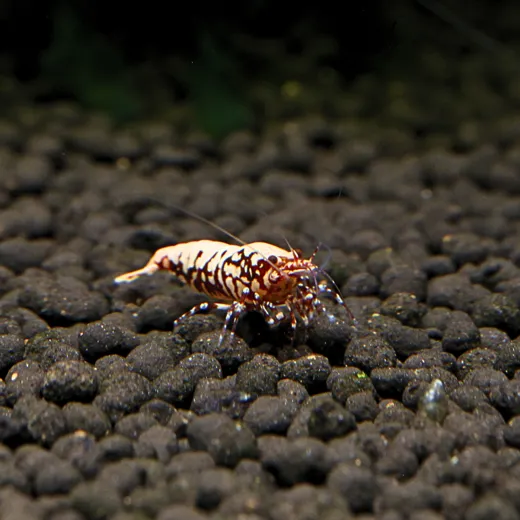
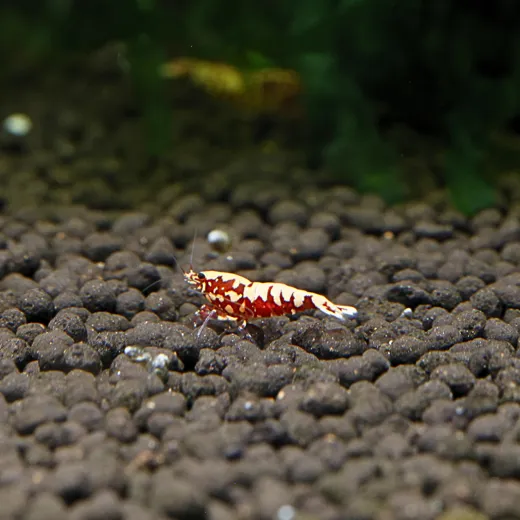
Red BOA Caridina Shrimp
Red BOA Caridina shrimp are a high grade pinto shrimp pattern with distinct cheek spots and full back cape. True BOAs will show a cape that runs cleanly across the entire back line along with visible cheek spots, giving them that bold look. Each shrimp will vary slightly in pattern, which is part of what makes BOAs so fun!
Our Red BOA Caridina are carefully selected, and the BOAs produced from this line can throw a range of beautiful offspring! No matter what these shrimp produce, you’ll have amazing colors and patterns!
Please note that red coloration is not guaranteed and often does not fully develop until adulthood. Juvies may appear lighter or less defined, with color and pattern improving as they mature
Specifications
| Feature | Detail |
|---|---|
| Species | Caridina shrimp |
| Pattern | Red BOA (pinto with cheek spots and full back cape) |
| Color Development | Improves with age; juvenile may show lighter or less defined color |
| Offspring Potential | Produces varied, colorful offspring |
FAQ
Is the red coloration guaranteed in juvenile shrimp?
No, red coloration is not guaranteed and often develops fully only after the shrimp mature.
What does a true BOA look like?
A true BOA has a full back cape that runs cleanly across the entire back and visible cheek spots, giving it a bold appearance.
Can these shrimp produce offspring with unique patterns?
Yes, the Red BOA Caridina can produce a range of beautiful offspring with varied colors and patterns.



Amy Burgess –
Received my Red BOA Caridina shrimp and they look great. The cheek spots and cape are clearly visible. My shrimp are still juveniles, but the red tones are starting to show. I’m excited to see how they develop over time.
Vanessa Rampling –
The shrimp arrived healthy and active. They don’t have full red coloration yet, but the pattern is distinct. I’m planning to keep them for breeding. The color should deepen as they grow older.
Carl Forsyth –
These shrimp are vibrant and show strong patterns. The cape runs smoothly along the back. I’ve already started observing their offspring, which are showing interesting variations.