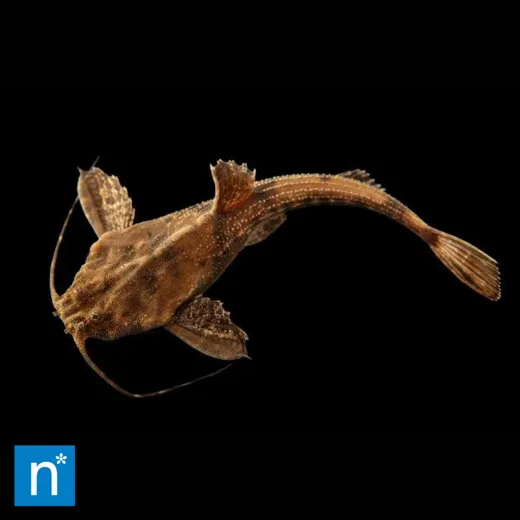
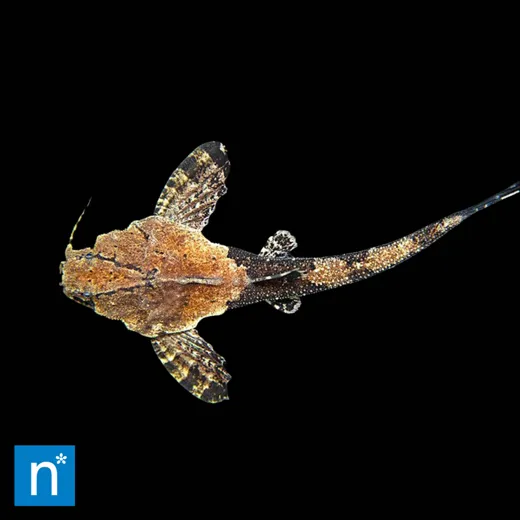
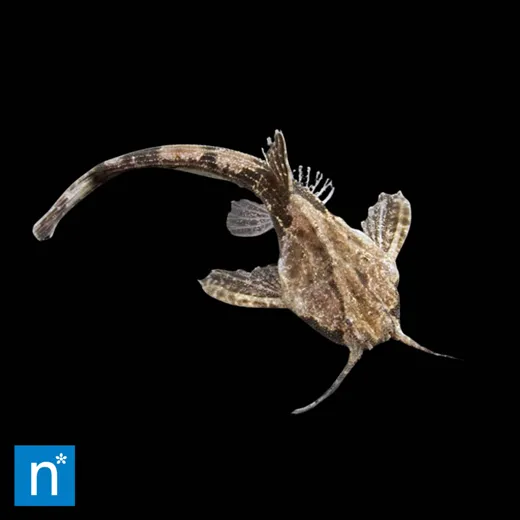
Banjo Catfish | Bunocephalus sp.
Choose the aquarium for the adult animal and its companions. A mature filter and stable, species-appropriate water conditions are essential.
At a Glance
| Origin & natural habitat | Confirm the precise species and natural range with our aquatic team. |
|---|---|
| Adult size | Confirm the adult size of the exact species before purchase. |
| Temperament | Compatibility must be checked for the adult fish, not its size at sale. |
| Activity | Use a consistent light/dark cycle with sheltered resting places. |
| Social needs | Choose companions sharing its adult size, water conditions and behaviour. |
FAQ
What is the origin and natural habitat of Banjo Catfish?
The precise species and natural range should be confirmed with our aquatic team.
What is the adult size of Banjo Catfish?
The adult size of the exact species must be confirmed before purchase.
Are Banjo Catfish social or solitary?
They require companions that share similar adult size, water conditions, and behavior.

Alexandra McLean –
The Banjo Catfish is calm and stays near the bottom. I set up a quiet tank with stable water parameters and it adapted well. I added a few other peaceful species and they coexist without issues. Good for beginners who want a low-maintenance, quiet fish.
Emily Avery –
I bought this for my community tank. It’s not very active, but it’s peaceful and doesn’t stress other fish. I make sure to maintain consistent lighting and provide hiding spots. The water needs to be stable, which I’ve managed with a good filter.
Trevor Hardacre –
After a few weeks, the fish settled in well. I followed the advice about light cycles and water stability. It’s a quiet presence and doesn’t require much attention. I would recommend it to someone looking for a calm, unobtrusive species.