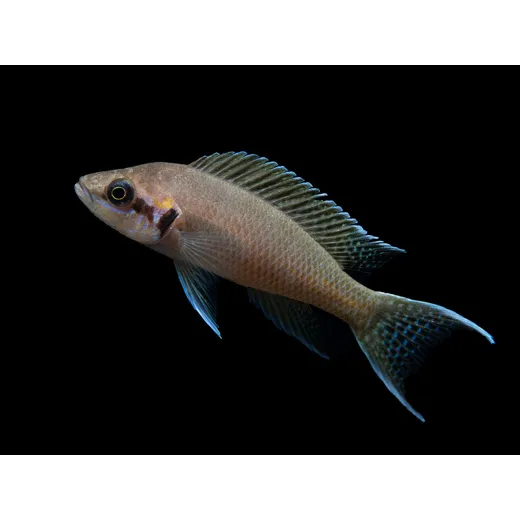
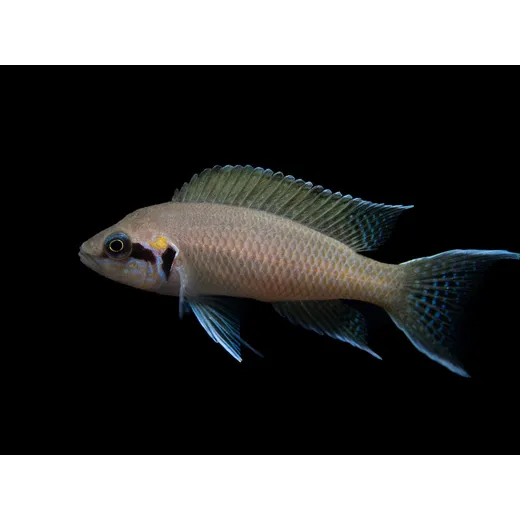
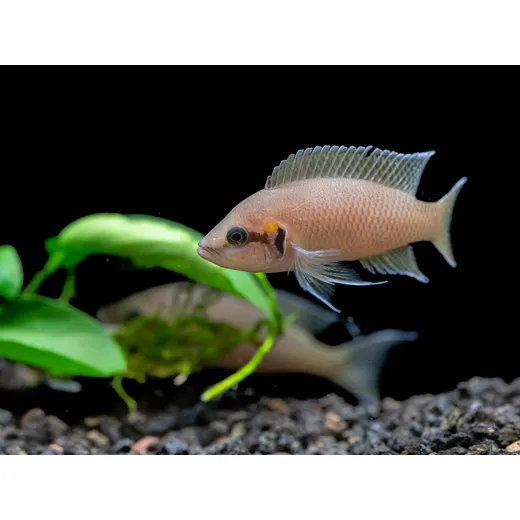
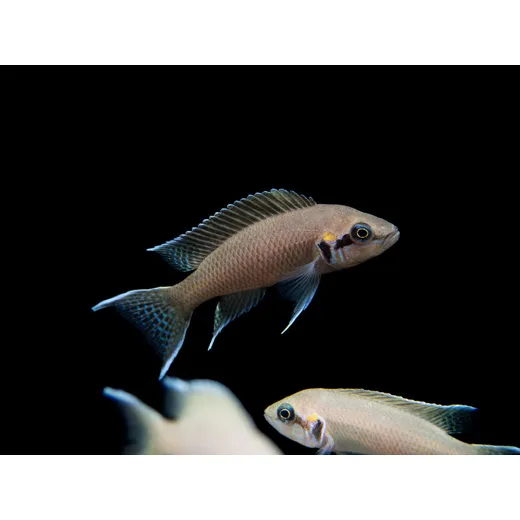
Brichard’s Lyretail Fairy Cichlid (Neolamprologus brichardi) – Tank-Bred
This species, also known as The Lyretail Cichlid, Fairy Cichlid, or Princess of Burundi Cichlid, is one of the most beautiful and popular Tanganyikan cichlids in the aquarium hobby.
The Brichard’s Lyretail Fairy Cichlid (Neolamprologus brichardi) is a small rock-dwelling cichlid native to the shoreline areas of Lake Tanganyika in Africa. It is known for its vibrant coloration and unique lyretail fin shape. In the wild, it spawns on rocky substrates and prefers sheltered, well-structured environments.
| Species | Neolamprologus brichardi |
|---|---|
| Common Names | Lyretail Cichlid, Fairy Cichlid, Princess of Burundi Cichlid |
| Habitat | Shoreline areas of Lake Tanganyika, Africa |
| Size | Up to 3 inches (7.5 cm) |
| Temperament | Peaceful to moderately active; best kept in groups |
| Water Conditions | Temperature: 75–82°F (24–28°C), pH: 7.8–8.6, Hardness: 8–12 dGH |
FAQ
How is this cichlid shipped?
Live fish are shipped exclusively via UPS Next Day Air for safety and optimal transport.
What kind of environment does this cichlid prefer?
It prefers rocky substrates and sheltered areas with plenty of hiding spots, mimicking its natural habitat in Lake Tanganyika.
Is this fish suitable for beginners?
This species is best suited for experienced aquarists due to its specific water parameter needs and need for a well-structured tank.


Mary May –
The Brichard’s Lyretail is a stunning addition to my tank. It’s active and colorful, and it enjoys the rocks and crevices. I’ve kept it with other peaceful cichlids and it’s adapted well to the water parameters. A beautiful and interesting fish.
Lily Nolan –
Arrived quickly via UPS. The fish was healthy and active when I received it. It’s small but very eye-catching with its lyretail fin. I’ve set up a rocky environment and it’s using the crevices well. Needs a stable pH and temperature, but worth the effort.
Anna Murray –
This cichlid is one of the most visually striking fish I’ve ever had. It’s peaceful and doesn’t dominate the tank. I’ve kept it in a 20-gallon with other Tanganyikan species and it’s thriving. The coloration is vibrant and it’s very active during the day.