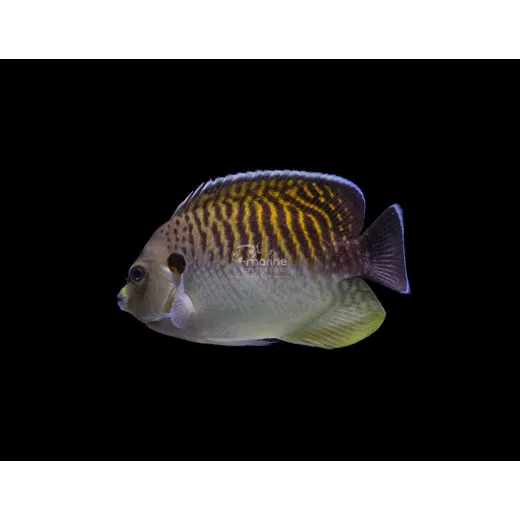
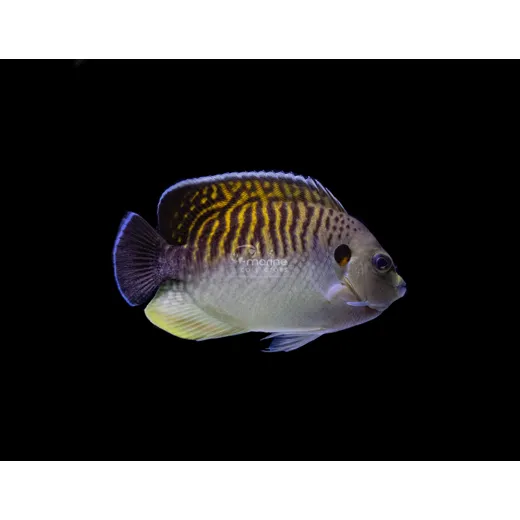
Tiger Angelfish
Scientific Name: Apolemichthys kingi
Minimum Tank Size: 120 gallons
Care Level: Moderate/Intermediate
Temperament: Semi-Aggressive
Reef Compatible: With Caution
Water Conditions: Temperature 72-78°F, pH 7.8-8.5, Salinity 1.022-1.026
Maximum Size: 10 inches
Diet: Omnivore
Origin: Africa, Madagascar
Family: Pomacanthidae
| Parameter | Value |
|---|---|
| Species | Apolemichthys kingi |
| Minimum Tank Size | 120 gallons |
| Care Level | Moderate/Intermediate |
| Temperament | Semi-Aggressive |
| Reef Compatibility | With Caution |
| Water Temperature | 72-78°F |
| pH Range | 7.8-8.5 |
| Salinity | 1.022-1.026 |
| Maximum Size | 10 inches |
| Diet | Omnivore |
| Origin | Africa, Madagascar |
| Family | Pomacanthidae |
FAQ
Is the tiger angelfish suitable for a beginner aquarium keeper?
Tiger angelfish require moderate to intermediate care and are best suited for experienced aquarists due to their semi-aggressive nature and specific water parameter needs.
Can tiger angelfish be kept with other reef fish?
Tiger angelfish are reef compatible only with caution. They may attack smaller or more delicate reef fish, so careful selection of tankmates is essential.
How long does it take for a tiger angelfish to reach full size?
Tiger angelfish can grow up to 10 inches over several years, with growth typically occurring steadily over 3 to 5 years under proper conditions.
Sean Piper –
The tiger angelfish is a striking addition to my 120-gallon tank. It has been active and healthy for over a year. I maintain strict water parameters and feed it a balanced diet. It’s semi-aggressive but doesn’t harm other fish when properly sized and housed.
Nathan Greene –
Beautiful fish with vibrant colors. I had to be cautious with tankmates, avoiding small shrimp and snails. Water parameters are critical—stayed within the recommended range. Feeding it daily with algae wafers and frozen foods keeps it active.
Tracey Dowd –
Purchased this fish after researching long-term compatibility. It’s a showstopper in the tank. I monitor pH and salinity closely. It’s not aggressive toward larger fish, but I keep it away from smaller species. Overall, a rewarding addition.