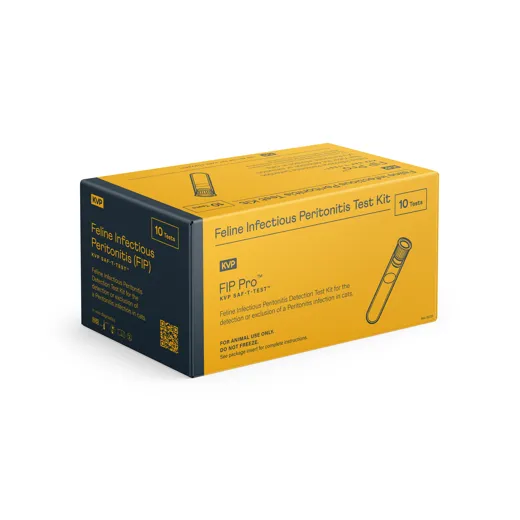
KVP Peritonitis Detection Kit 10 Pack
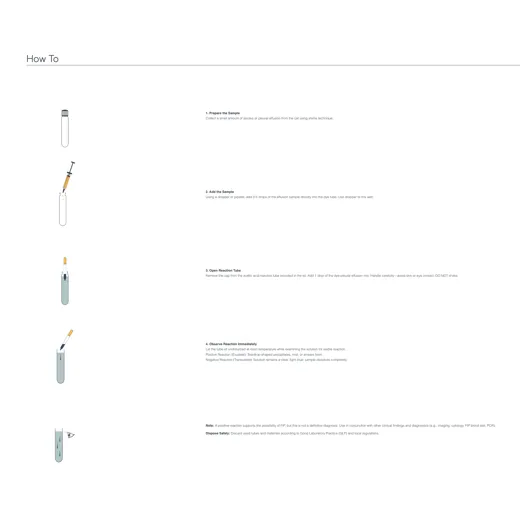
The KVP FIP Pro™ test from the KVP Saf-T-Test Collection is a rapid, reliable, and cost-effective FIP test for cats, designed to help veterinarians differentiate between transudates and exudates in feline effusions. This simple visual test assists in supporting a diagnosis of Feline Infectious Peritonitis (FIP)—a serious and often fatal disease. By adding the effusion sample to the acetic acid reaction tube, the feline FIP test reveals high protein content through visible teardrop-shaped precipitates, mists, or smears. In contrast, transudates dissolve completely in the solution, indicating a negative reaction.
- Quick FIP screening detects high inflammation protein in effusions using acetic acid turbidity.
- Simple protocol; add sample to tube, observe for reaction — no additional equipment or reagents required.
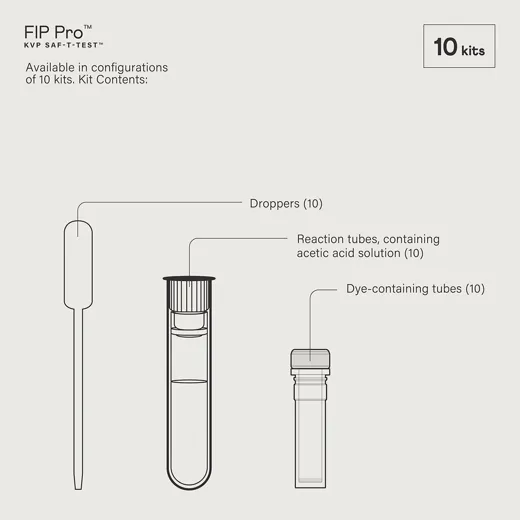
| Kit Contents | Quantity |
|---|---|
| Acetic Acid Reaction Tubes | 10 |
| Instruction Manual | 1 |
FAQ
How long does it take to get results after adding the effusion sample?
Results are typically visible within 2 to 5 minutes after adding the effusion sample to the reaction tube.
Can this test be used for both diagnostic and screening purposes?
Yes, the KVP FIP Pro™ test is designed for both screening and diagnostic support in identifying high protein content indicative of FIP.
Is the test suitable for use in veterinary clinics or laboratories?
Yes, the test is designed for use in veterinary clinics and laboratory settings where quick and reliable FIP screening is needed.

Abigail Mackay –
The test was easy to use and provided clear results within minutes. The visual changes were obvious, making it simple to distinguish between transudates and exudates. Highly reliable for initial screening in our clinic.
Anna Davidson –
We used this kit for several cases and found the results consistent with other diagnostic methods. The instructions are clear and the kit comes with everything needed for 10 tests.
Andrea Clarkson –
Great value for the number of tests included. The reaction is visible and easy to interpret, which helps in making faster decisions during patient evaluations.