White Painted Anglerfish: The Ghostly Hunter
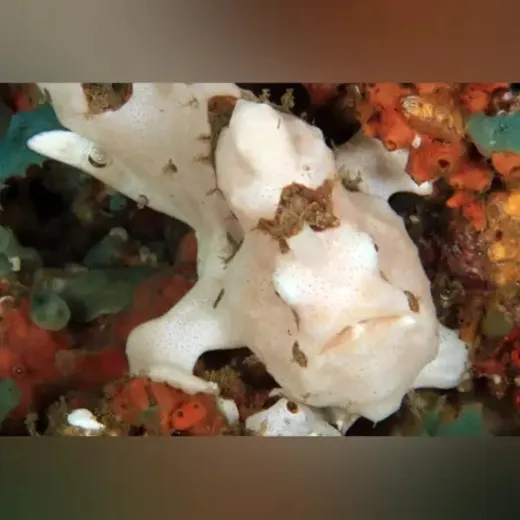
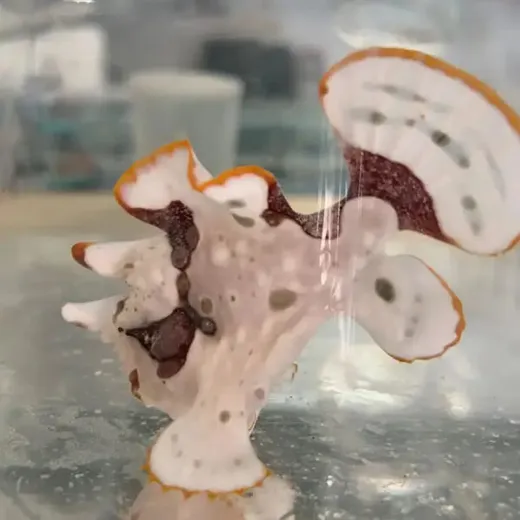
The White Painted Anglerfish (Antennarius pictus), commonly known as the Painted Frogfish, is a fascinating and highly variable ambush predator prized by specialty marine aquarists. While its coloration can range from black, brown, and red to yellow, the “White” variety is particularly sought after for its striking, pale appearance, often mottled with dark spots or patches.
Like all members of the Frogfish family, this species is a master of aggressive mimicry. Its scaleless, bumpy skin and ability to change color allow it to perfectly mimic sponges or rockwork. The White Painted Anglerfish relies on its modified first dorsal spine, the illicium, which acts as a lure to attract prey.
| Species | Antennarius pictus |
|---|---|
| Common Name | White Painted Anglerfish / Painted Frogfish |
| Size | Up to 15 cm (6 inches) |
| Lifespan | 8 to 12 years in captivity |
| Water Temperature | 24–28°C (75–82°F) |
| Water pH | 8.1–8.4 |
| Compatibility | Best suited for experienced marine aquarists; avoid with aggressive or fast-moving fish |
FAQ
What makes the White Painted Anglerfish unique compared to other frogfish species?
The White Painted Anglerfish stands out due to its pale, mottled appearance, which is rare among frogfish. Its ability to blend into surroundings through color change and texture mimics makes it a highly effective ambush predator.
Is the White Painted Anglerfish suitable for beginners?
No, this species is best suited for experienced marine aquarists due to its specific water parameter needs and cautious behavior.
How does the illicium function in the White Painted Anglerfish?
The illicium is a modified spine that extends from the head and acts as a lure, mimicking small prey to attract real fish, which the anglerfish then ambushes.



Phil Scott –
The White Painted Anglerfish is a stunning addition to my reef tank. It blends in perfectly with the rockwork and has a calm, curious demeanor. I’ve observed it using its illicium to lure small fish, which is both fascinating and impressive.
Sean Anderson –
It’s a beautiful and unique fish. I expected it to be more active, but it’s actually quite still and patient. The coloration is very pale with dark spots, which makes it look like a piece of coral. Great for a visually interesting display.
Virginia Butler –
After months of research, I finally got this fish. It’s not just beautiful—it’s a true marvel of natural behavior. The way it mimics the surroundings is incredible. I’ve never seen such precise camouflage in a pet fish.