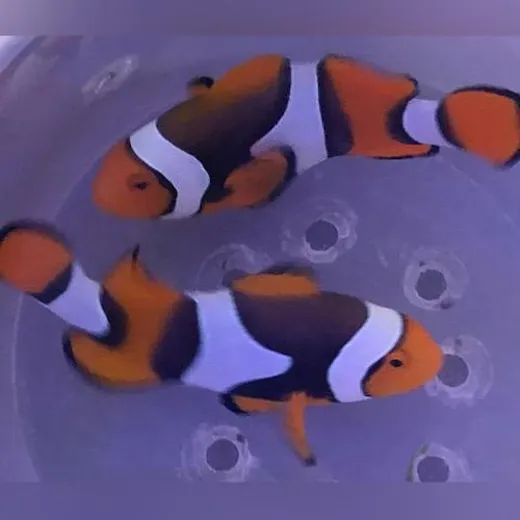
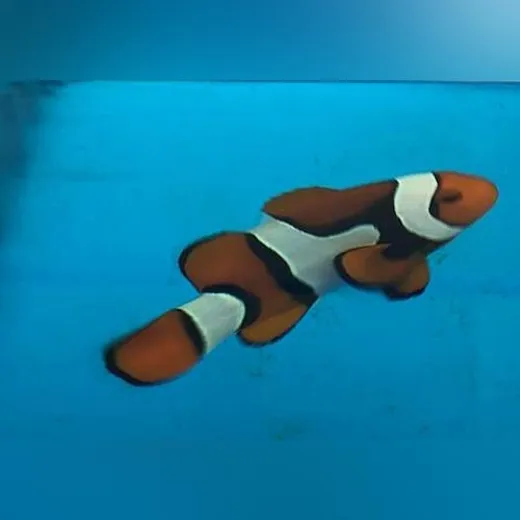
True Percula Clownfish (Pair)
One of the most popular marine aquarium fish, along with its close cousin and Nemo fame, the False Percula Clownfish, or simply the Percula Clownfish. Also called the Clown Anemonefish, the True Percula only varies a little bit from the more common Percula. True Percula Clownfish feature slightly brighter orange colors and thinner black lines. The True Percula Clownfish can be found in most independent marine aquarium stores and generally available through commercial breeding operations.
- Scientific Name: Amphiprion percula
- Origin: Great Barrier Reef (Where Nemo grew up)
- Max Size: 3 inches
- Diet: Omnivorous, accepts flakes, pellets, and frozen foods
| Feature | Detail |
|---|---|
| Species | Amphiprion percula |
| Size | Up to 3 inches |
| Origin | Great Barrier Reef |
| Compatibility | Best kept with non-aggressive tank mates; requires a stable marine environment |
FAQ
What is the difference between True Percula and False Percula Clownfish?
True Percula Clownfish have slightly brighter orange colors and thinner black stripes compared to the False Percula. Both species are commonly found in marine aquariums, but True Percula are often preferred for their more vivid appearance.
How big do True Percula Clownfish grow?
True Percula Clownfish typically grow to a maximum size of 3 inches.
What kind of diet do they require?
They are omnivorous and accept a variety of foods including flakes, pellets, and frozen foods. A balanced diet ensures healthy coloration and activity.
Trevor Ogden –
These clownfish are active and colorful. They adapted well to my 20-gallon marine tank. The orange coloration is brighter than expected. I’ve kept them for six months and they’re still healthy and active.
Victoria Mathis –
Great addition to my reef tank. They seem to get along with the anemone I have. The black lines are thinner than I expected, which makes them look more vibrant. Easy to care for.
Sonia MacDonald –
Ordered a pair and they arrived quickly. They settled into the tank within a week. The colors are vivid and they stay near the anemone, which is perfect for a natural look.