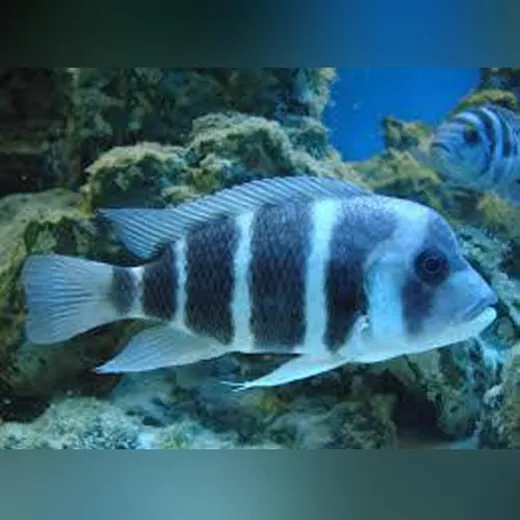
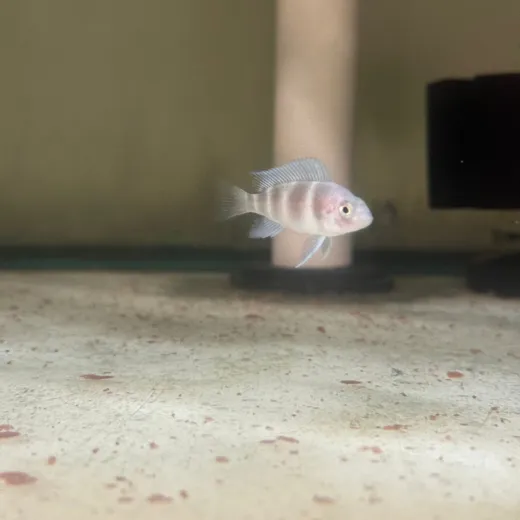
Frontosa Blue Zaire
Also known as a Blue Mpimbwe, the Zaire Blue Frontosa is rare, difficult to breed, and commands a higher price than other frontosas. In part, the demand for blue Zaires is due to the nice blue color accents on the fins and bar body pattern. Like all frontosas, these cichlids are hardy and live more than twenty years. They are a rusty-colored version of their broad-banded cousins. These are splendid cichlids, and males grow a distinctive hump on their head. These fish are appropriate for a large species community or cichlid tank. Since they are difficult to breed and grow slowly like most Tanganyikans, they are a bit more expensive than their Lake Malawi cousins. Some Tanganyikans, like tropheus cichlids, require vegetables, but the frontosa is a big, fat-headed meat eater.
Specifications
| Feature | Detail |
|---|---|
| Species | Frontosa Blue Zaire |
| Origin | Tanganyika |
| Lifespan | Over 20 years |
| Gender Distinction | Males develop a head hump |
| Diet | Meat-based, omnivorous |
| Compatibility | Large community or cichlid tank |
FAQ
What makes the Blue Zaire Frontosa different from other frontosa cichlids?
The Blue Zaire Frontosa is distinguished by its blue color accents on the fins and body pattern, making it visually striking. It is also rarer and more difficult to breed than other frontosa varieties.
How long do Frontosa Blue Zaire cichlids typically live?
These cichlids are hardy and can live more than twenty years with proper care.
What kind of diet do Blue Zaire Frontosas require?
They are big, fat-headed meat eaters and prefer a meat-based diet. Vegetables are not required like in some other Tanganyikan species.
Lily Rees –
I’ve had my Blue Zaire Frontosa for over two years now. The male has developed a clear head hump, which is very distinctive. The blue fin accents are stunning and stand out in the tank. It’s a bit expensive, but the long lifespan and beauty make it worth it. I keep it in a large community tank with other cichlids and it’s well adjusted.
Charles Hardacre –
This fish is a true standout. The coloration is vibrant, especially in the fins. It’s not easy to find, and it’s a slow grower, but once established, it’s a peaceful and impressive addition to any Tanganyika-focused setup. I feed it high-quality meat-based pellets daily.
Yvonne Parr –
The blue coloration is beautiful and the fish is active in the tank. It’s a bit more expensive than other frontosas, but the unique appearance and longevity justify the cost. I’ve noticed it’s more selective in feeding, so I need to offer meaty foods regularly.