Diana’s Hogfish: The Large, Assertive Hunter
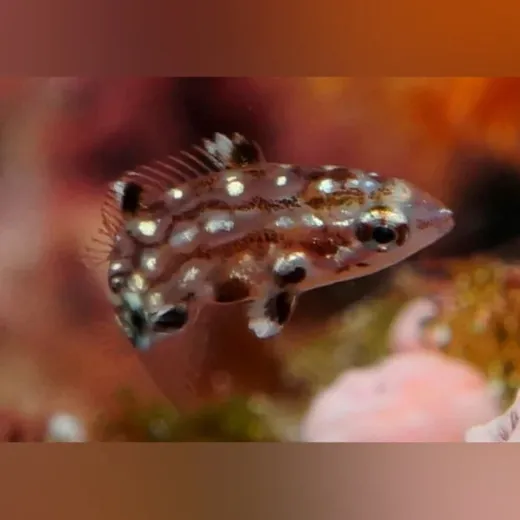
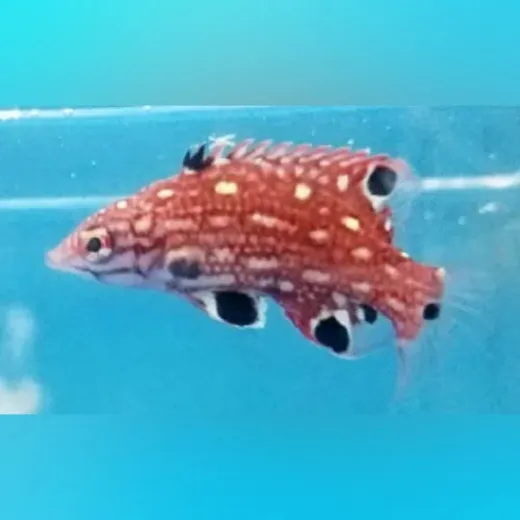
The Diana’s Hogfish (Bodianus diana), also widely known as the Red Diana Hogfish or Spotted Hogfish, is a visually striking and moderately large member of the family Labridae (Wrasses and Hogfish). This fish exhibits a dramatic color change from juvenile to adult. Juveniles are a dark, rich brown or black with prominent white and yellow spots on the body and fins. As they mature, they transition to the adult coloration of a striking reddish-orange with a few white spots remaining near the dorsal fin and a scaly texture.
Native to the Indian Ocean, the Diana’s Hogfish is a robust and long-lived predator. Adults can reach an impressive length of 7 to 10 inches (17-25 cm).
| Specification | Detail |
|---|---|
| Scientific Name | Bodianus diana |
| Common Names | Red Diana Hogfish, Spotted Hogfish |
| Family | Labridae |
| Size (Adult) | 7–10 inches (17–25 cm) |
| Color Change | Dark brown/black (juvenile) → Reddish-orange (adult) |
| Habitat | Indian Ocean |
FAQ
What is the difference between juvenile and adult Diana’s Hogfish?
Juveniles have a dark brown or black body with white and yellow spots on the body and fins. As they mature, they transition to a reddish-orange color with only a few white spots remaining near the dorsal fin.
Where is the Diana’s Hogfish naturally found?
The Diana’s Hogfish is native to the Indian Ocean.
How large can an adult Diana’s Hogfish grow?
Adults can reach a length of 7 to 10 inches (17–25 cm).

Rachel Piper –
The Diana’s Hogfish is a stunning addition to my aquarium. The color change from juvenile to adult is fascinating to watch. It’s active and not aggressive toward other fish, making it a good choice for a community tank.
Samantha James –
I was impressed by how well it adapted to the tank conditions. The red coloration in adulthood is vibrant and stands out. It’s a bit large, so make sure your tank is spacious enough.
Jake Kelly –
This fish has become a centerpiece in my tank. The pattern and movement are unique. I’ve noticed it’s more active during the day and settles down at night.