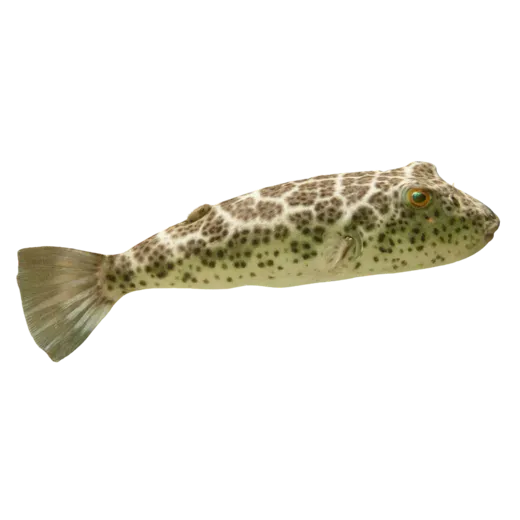
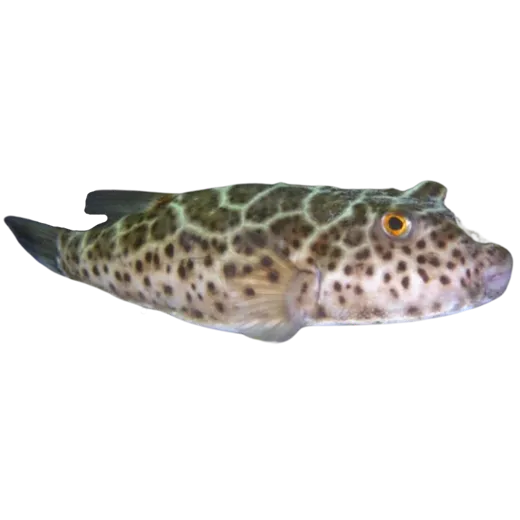
Caribbean Checkered Pufferfish
The Caribbean Checkered Pufferfish (Sphoeroides testudineus) is a charming and distinctive addition to large saltwater aquariums. Known for its rounded body, checkered pattern of dark and light spots, and expressive face, this species adds personality and a classic Caribbean reef vibe to your tank.
Native to Caribbean reefs, seagrass beds, and sandy bottoms, Checkered Puffers appreciate plenty of rockwork and hiding spots, along with open sand areas for resting and foraging. They are generally peaceful but may nibble on small invertebrates if not properly fed.
This species is hardy and adapts well to captivity, readily accepting a carnivorous diet of meaty frozen foods such as shrimp, chopped seafood, clams, and other meaty fare, along with high-quality marine pellets when needed.
| Specifications |
|---|
| Scientific Name: Sphoeroides testudineus |
| Size: Up to 6 inches (15 cm) |
| Temperature Range: 75–82°F (24–28°C) |
| Water pH: 8.1–8.4 |
| Compatibility: Peaceful; avoid small invertebrates |
| Diet: Carnivorous, meaty frozen foods, marine pellets |
FAQ
What is the typical size of a Checkered Pufferfish?
The Checkered Pufferfish can grow up to 6 inches (15 cm) in length.
What kind of environment does it prefer in an aquarium?
It prefers a large saltwater tank with plenty of rockwork for hiding spots and open sandy areas for resting and foraging.
Is it aggressive or peaceful?
Checkered Puffers are generally peaceful but may nibble on small invertebrates if not properly fed.

Karen Edmunds –
The Checkered Pufferfish is a delightful addition to my reef tank. Its unique checkered pattern and expressive face stand out among other fish. It’s active but not aggressive and enjoys the sand areas. I feed it shrimp and frozen clams regularly, and it eats well. Great for adding character to a large saltwater setup.
Peter Hart –
I’ve had this fish for three months now and it’s very healthy. It likes to hide in the rock crevices during the day and comes out to explore at night. Feeding it meaty foods keeps it active and happy. Just make sure to provide enough open sand space for it to rest.
Edward McLean –
The fish looks stunning in my 120-gallon tank. It’s calm and doesn’t bother other species. I noticed it spends time near the sand bed, which I think is natural behavior. It accepts frozen shrimp and chopped mussels easily. A great choice for reef enthusiasts.