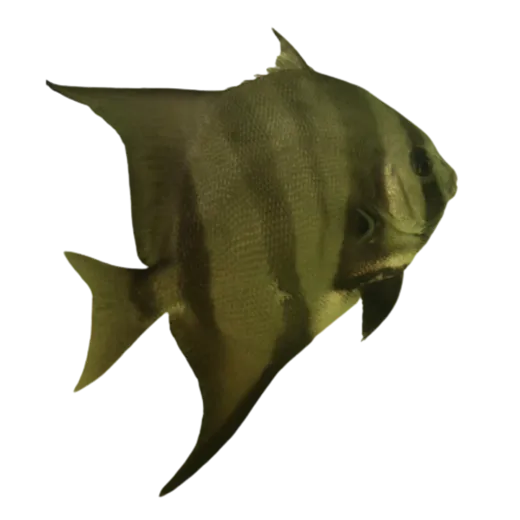
Atlantic Spadefish (Chaetodipterus faber)
The Atlantic Spadefish is a unique and instantly recognizable species known for its tall, disk-shaped body and bold vertical striping. With a silver to gray base color accented by dark bands and elongated dorsal and anal fins, this fish has a striking profile that stands out from more typical reef and fish-only inhabitants.
Native to the western Atlantic, including the Gulf of Mexico and Caribbean, Atlantic Spadefish are often seen in schools around reefs, wrecks, and pilings. In the aquarium, juveniles are especially eye-catching and tend to be more adaptable, while adults require substantial space due to their height and active swimming behavior. They are generally peaceful and do best in large systems with plenty of open water.
| Specification | Details |
|---|---|
| Scientific Name | Chaetodipterus faber |
| Origin | Western Atlantic, Gulf of Mexico, Caribbean |
| Adult Size | Up to 12 inches |
| Behavior | Peaceful, active swimmers |
| Water Conditions | Temperature: 72–82°F, Salinity: 1.020–1.025 |
FAQ
What is the typical tank size required for an adult Atlantic Spadefish?
Adult Atlantic Spadefish require a large tank with at least 100 gallons of open water due to their height and active swimming behavior.
Are Atlantic Spadefish compatible with other fish species?
Yes, they are generally peaceful and can coexist with other non-aggressive species in a well-planned reef or fish-only system with ample open space.
How do juveniles differ from adults in terms of care?
Juveniles are more adaptable and easier to acclimate in aquariums, while adults need more space and stable water conditions due to their size and activity level.
Anthony Rutherford –
The Atlantic Spadefish is a stunning addition to my reef tank. The vertical striping is very visible and adds a dynamic look. I kept a small group and they swim together in open areas, which is very entertaining. They are peaceful and haven’t caused any issues with other fish.
Carol Lawrence –
Great fish for a larger tank. I noticed they prefer open swimming zones and need plenty of space. The juveniles were very active and curious, which made them easy to observe. I recommend only keeping them in tanks over 100 gallons.
Rose Mills –
The fish arrived healthy and looked vibrant. After a few weeks, they settled into their school and started swimming in coordinated patterns. The coloration is sharp and stands out well in the tank.