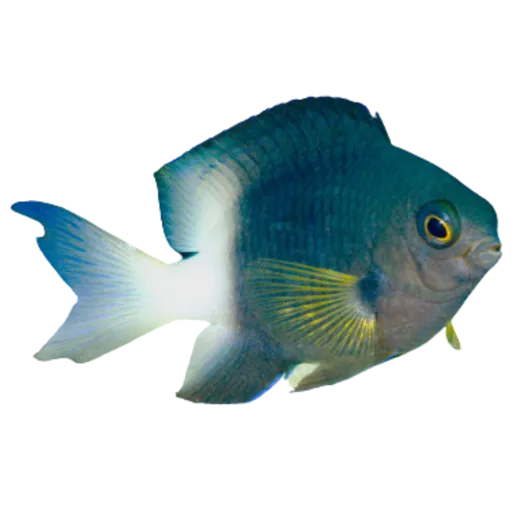
Bi-Color Damsel
As the Bi-Color Damsel matures, it becomes extremely aggressive towards other fish, which can cause issues when selecting compatible species for your aquarium. A 30-gallon tank or larger is recommended to provide adequate space. This fish feeds on zooplankton and algae and requires a balanced diet consisting of meaty foods, frozen preparations, and some vegetable matter. Proper aquarium management is essential to prevent disease outbreaks.
Feeding and Care
- Feed a varied diet including meaty foods, frozen preparations, and vegetable matter
- Ensure regular water changes and maintain stable water parameters
- Provide hiding spots and ample space to reduce aggression
| Key Features | Details |
|---|---|
| Aggression Level | High (especially as it matures) |
| Minimum Tank Size | 30 gallons |
| Diet | Meaty foods, frozen preparations, vegetable matter |
| Feeding Frequency | 2–3 times per week |
FAQ
Is the Bi-Color Damsel suitable for a community tank?
No, the Bi-Color Damsel is not suitable for community tanks due to its aggressive nature as it matures. It should be kept alone or with very large, non-aggressive species in a spacious tank.
What type of food should I feed my Bi-Color Damsel?
Feed a varied diet including meaty foods, frozen preparations, and some vegetable matter to ensure balanced nutrition and support overall health.
Can the Bi-Color Damsel live with other damsel fish?
Please contact customer service
Maria Wilson –
I kept the Bi-Color Damsel in a 40-gallon tank with a few large, calm fish. After a few months, it started showing aggression toward smaller fish. I had to remove a few species to keep the tank stable. Feeding it a mix of frozen foods and blanched vegetables helped maintain its health.
Ella Abraham –
The fish is active and colorful, but it does get aggressive once it reaches maturity. I made sure to keep it in a large tank with plenty of hiding places. It eats well on a varied diet and stays healthy with regular water changes.
Michelle Glover –
I tried adding it to a 20-gallon tank, which was too small. It quickly attacked other fish and caused stress. I moved it to a 55-gallon tank and now it’s more manageable. Still, it’s not ideal for small setups.