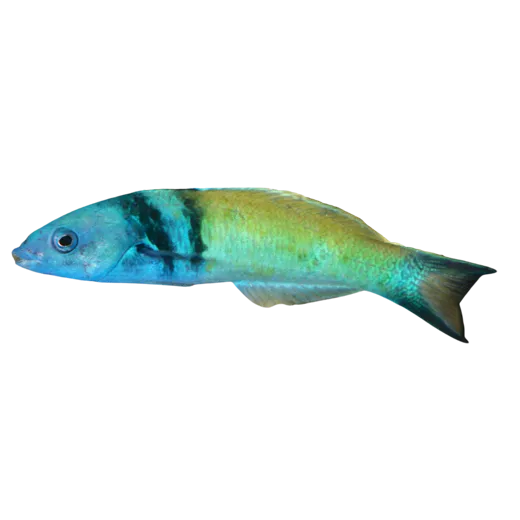
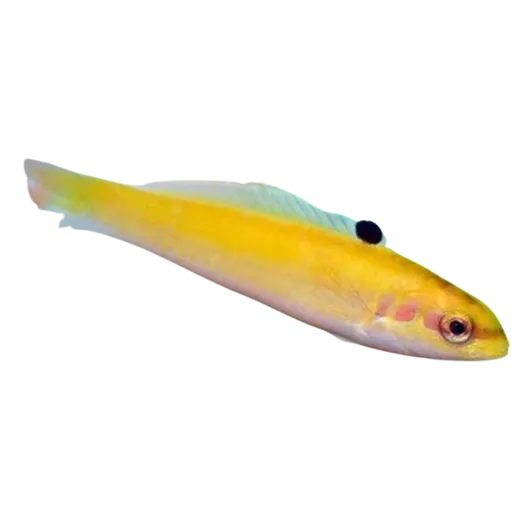
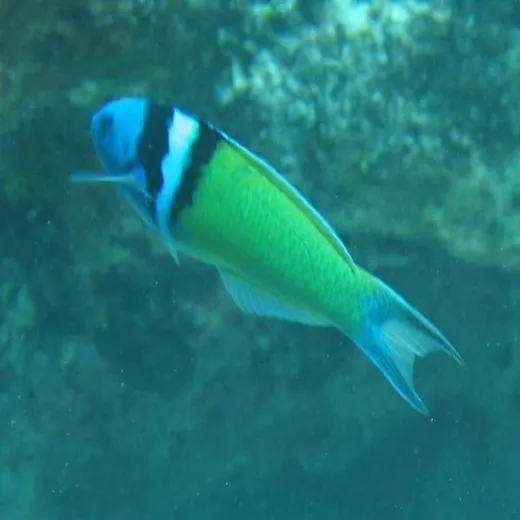
Bluehead Wrasse (Thalassoma bifasciatum)
The Bluehead Wrasse (Thalassoma bifasciatum) is an active, eye-catching reef fish prized for its brilliant coloration and constant movement. Adult males display a vibrant blue head accented by striking green and turquoise tones across the body, while females and juveniles feature a beautiful combination of yellow and blue. Their energetic personality and bold appearance make them a standout addition to larger saltwater aquariums.
Native to the tropical reefs of the Caribbean and western Atlantic, the Bluehead Wrasse spends its days cruising the rockwork in search of small crustaceans and other meaty foods. This species is highly active and appreciates an aquarium with plenty of open swimming space.
| Specifications |
|---|
| Scientific Name: Thalassoma bifasciatum |
| Size: Up to 12 inches (30 cm) |
| Temperature: 75–82°F (24–28°C) |
| Water pH: 8.1–8.4 |
| Hardness: 8–12 dGH |
| Compatibility: Best with larger reef tanks; avoid with aggressive or small fish |
FAQ
What is the difference between male and female Bluehead Wrasse?
Adult males have a vibrant blue head with green and turquoise body tones, while females and juveniles display yellow and blue coloration.
How much space does a Bluehead Wrasse need in an aquarium?
This species is highly active and requires a large aquarium with plenty of open swimming space and rockwork for exploration.
What do Bluehead Wrasse eat?
They feed on small crustaceans and other meaty foods found in reef environments.

Trevor Campbell –
The Bluehead Wrasse is a stunning addition to my reef tank. The male’s blue head stands out beautifully against the coral. It’s active and curious, always moving around the tank. I’ve had it for six months and it’s thriving with proper feeding and water conditions.
Max Mathis –
Great color and energy. The fish is very active and enjoys the rockwork. I noticed it helps clean small debris from the tank. Feeding it a mix of mysis and shrimp works well.
Diane Berry –
This fish is a visual highlight. The color change from yellow to blue in the juvenile stage is impressive. It’s not shy and keeps the tank lively. I recommend it for reef tanks with enough space.