Green Rili Shrimp for Sale
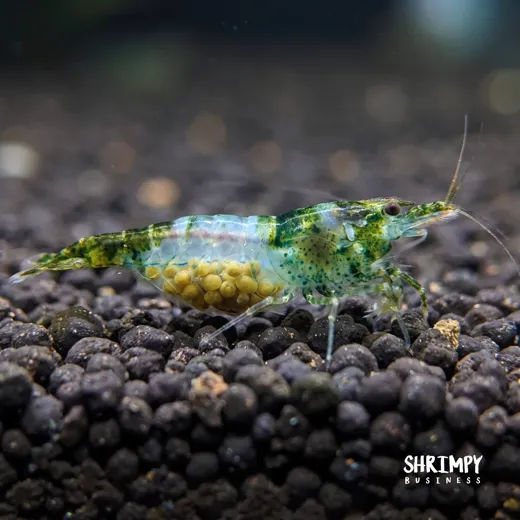
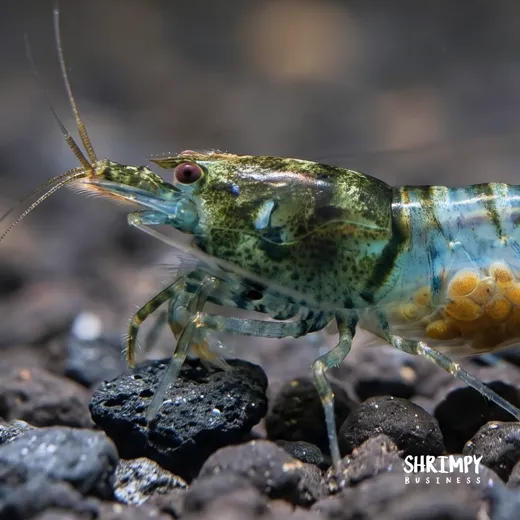
Green Rili Shrimp (Neocaridina davidi) feature a distinctive pattern where the head and tail are colored while the body in the middle is translucent. This makes them a striking addition to any freshwater aquarium.
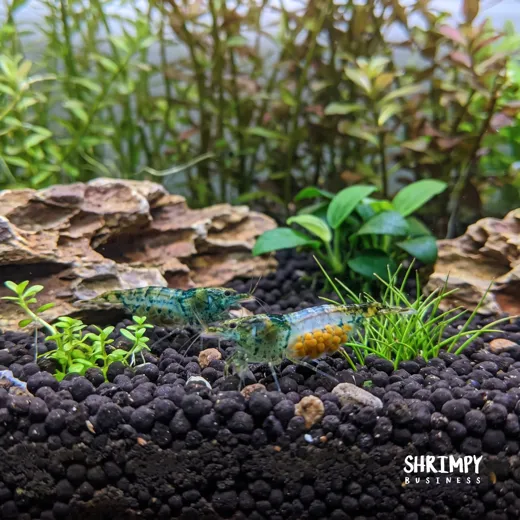
The Green Rili Shrimp is a dwarf freshwater species native to Taiwan. They thrive in planted tanks with ample hiding spots and shelter, such as rocks, driftwood, and live plants.
These shrimp are low-maintenance and require minimal feeding. As long as the tank has sufficient algae, biofilm, or detritus, they will thrive without additional food.
| Feature | Detail |
|---|---|
| Species | Neocaridina davidi |
| Color Pattern | Head and tail colored, translucent body |
| Size | Dwarf (approximately 1.5 cm) |
| Habitat | Planted tanks with hiding spots |
| Feeding | Minimal; relies on algae and biofilm |
FAQ
What makes Green Rili Shrimp different from other Neocaridina shrimp?
Green Rili Shrimp have a unique color pattern with colored heads and tails and a translucent middle section, making them visually distinct among other Neocaridina varieties.
Do Green Rili Shrimp need special tank conditions?
They thrive in planted tanks with plenty of hiding spots like rocks, driftwood, or live plants. A stable environment with moderate water parameters is sufficient.
How often should I feed Green Rili Shrimp?
They require very little feeding. Feeding is only necessary if the tank lacks algae or biofilm; otherwise, they can survive on natural food sources.

Paul Henderson –
I bought a small group of Green Rili Shrimp for my planted tank. They’ve been active and colorful since arrival. The pattern stands out well against the green plants. Very easy to care for and don’t need much food.
Blake Burgess –
The shrimp look beautiful in my tank. I didn’t have to feed them much—just a little algae from the plants. They seem to be getting along well with my other shrimp and fish.
Faith Walsh –
Great addition to my freshwater setup. The green and translucent body is very eye-catching. I love how they move around the plants and hide in the rocks when not active.