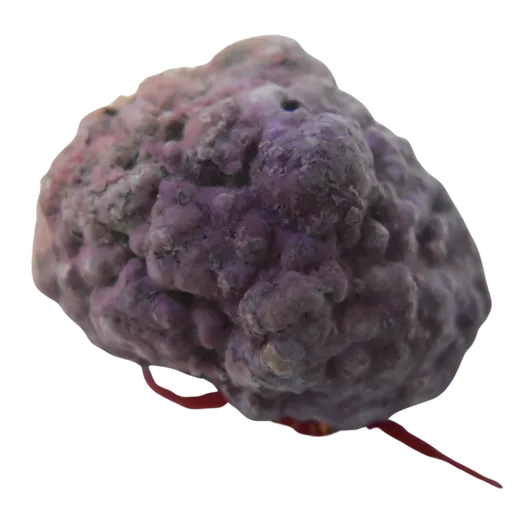
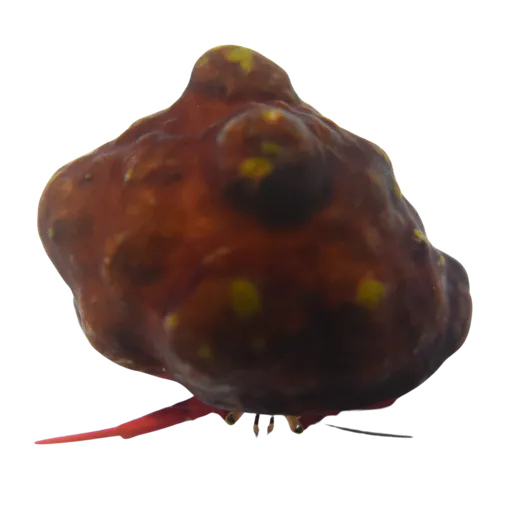
Jumbo Encrusted Scarlet Hermit Crab
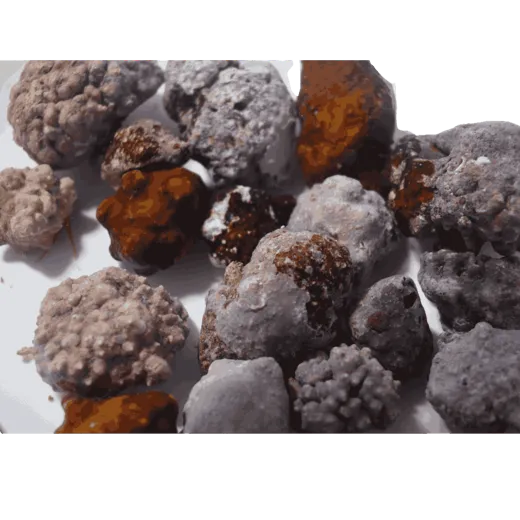
The Caribbean Jumbo Encrusted Scarlet Hermit Crab (Paguristes cadenati) is a striking and useful addition to saltwater aquariums. Known for its deep red legs, calm temperament, and oversized shell encrusted with natural coralline algae, this hermit crab adds both vibrant color and an authentic reef look to your tank.
Native to Caribbean reefs and rocky areas, Scarlet Hermits spend their time grazing on algae and leftover food while exploring live rock and sand. This jumbo variety appreciates ample space and stable rockwork, and the coralline-encrusted shell not only provides protection but also blends beautifully into reef environments.
Key Features
| Feature | Description |
|---|---|
| Species | Paguristes cadenati |
| Size | Jumbo variety, large body and shell |
| Color | Deep red legs and body |
| Shell | Encrusted with natural coralline algae |
| Temperament | Calm and reef-friendly |
| Habitat | Caribbean reefs and rocky substrates |
FAQ
What makes the Jumbo Encrusted Scarlet Hermit Crab different from other hermit crab species?
This species has deep red legs, a large size, and a shell naturally encrusted with coralline algae, giving it a more reef-integrated appearance. It is known for being calm and less aggressive than many other hermit crab types.
Is this hermit crab suitable for a reef aquarium?
Yes, the Jumbo Encrusted Scarlet Hermit Crab is considered reef-friendly. It grazes on algae and does not typically harm corals or other reef inhabitants.
How much space and rockwork does this crab need?
This crab requires ample space and stable rockwork to explore and graze. It needs a well-structured tank with live rock and sand for natural behavior.
Alan Poole –
The hermit crab arrived healthy and active. Its red legs stand out beautifully in the tank. It spends most of its time exploring the live rock and eating algae without disturbing other fish. A great addition to a reef setup.
Anthony Cornish –
I was worried about aggression, but this crab is very calm. It’s been in the tank for three months and still shows no signs of stress or conflict. The shell looks natural and blends well with the reef.
Steven Nash –
It’s a bit large for a small tank, so I made sure to have plenty of rock and sand. The color is vibrant and it’s active during the day. Just needs a stable environment to thrive.