Lobelia Vedrariensis | Purple Lobelia
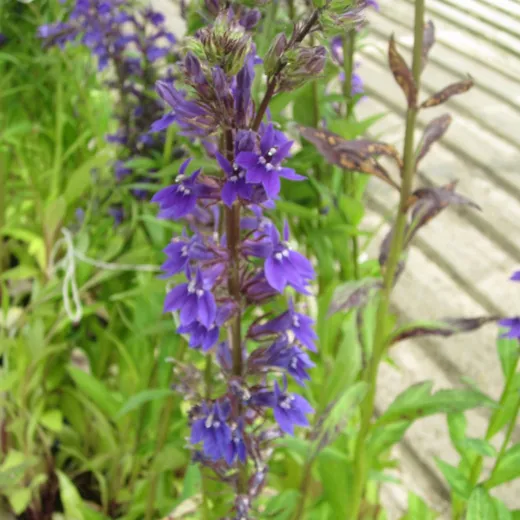
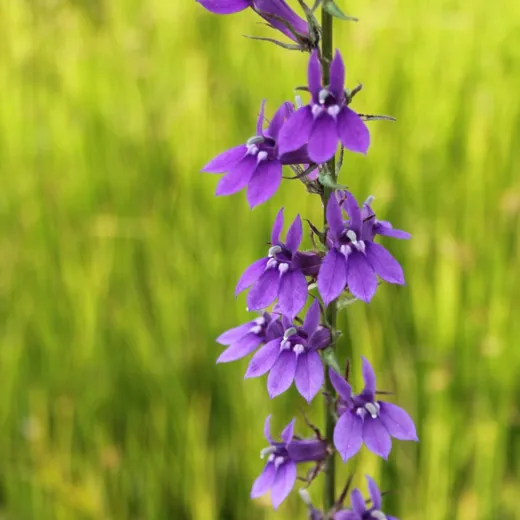
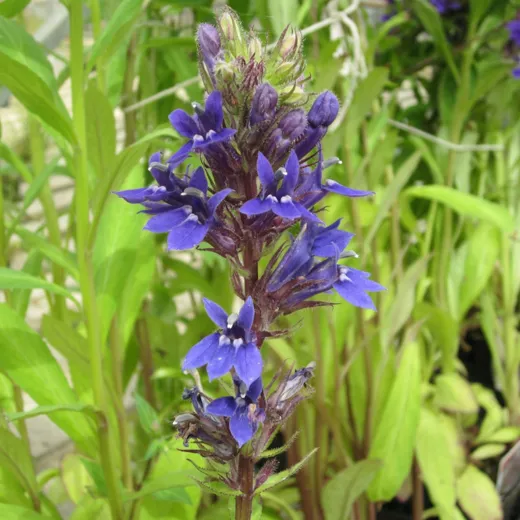
Lobelia Vedrariensis, or the Purple Lobelia, is a handsome species with narrow, red-tinged dark green leaves and tubular, deep violet-purple flowers. Harmful if eaten. Little maintenance is required. Trim to tidy but leave foliage to die back naturally to encourage winter bud formation.
Marginal plants are great for ponds, and will add colour, interest and wildlife habitat to your garden. Like Lobelia Vedrariensis, Purple Lobelia, make a wonderful and easy addition to any edge.
Where do you plant pond plants? Marginal Pond Plants, such as the Lobelia Vedrariensis – Purple Lobelia, can be placed in the shallow areas of a pond. This is usually around the edges, or margin, of the pond.
| Characteristics | Details |
|---|---|
| Plant Type | Margin plant |
| Leaf Color | Dark green with red tinge |
| Flower Color | Deep violet-purple |
| Maintenance | Low |
| Edible | No, harmful if eaten |
FAQ
What is the best location to plant Purple Lobelia?
Plant Purple Lobelia in shallow, marginal areas of the pond, typically along the edges or margins where water depth is low.
How often should I trim Purple Lobelia?
Trim occasionally to maintain shape, but allow foliage to die back naturally to encourage winter bud formation.
Is Purple Lobelia safe for pets or children?
No, Purple Lobelia is harmful if ingested and should be kept out of reach of pets and children.
Anne Grant –
Purple Lobelia adds vibrant color to the pond edge. The deep violet flowers stand out in spring and early summer. Easy to grow and needs little care. I trim it once a year to keep it neat, and it naturally dies back in winter, which helps with new growth.
Dylan Hodges –
Grew well in a shallow pond margin. The foliage is attractive with a nice red tinge. Flowers appear consistently in late spring. I didn’t have to do much watering or pruning, which is great for a beginner.
Rebecca Sharp –
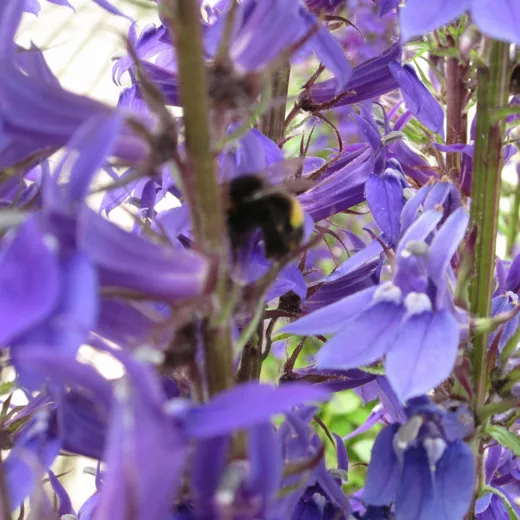
This plant has become a favorite in my garden pond. It attracts bees and butterflies. The flowers last longer than I expected and the plant looks tidy even when left to grow naturally.