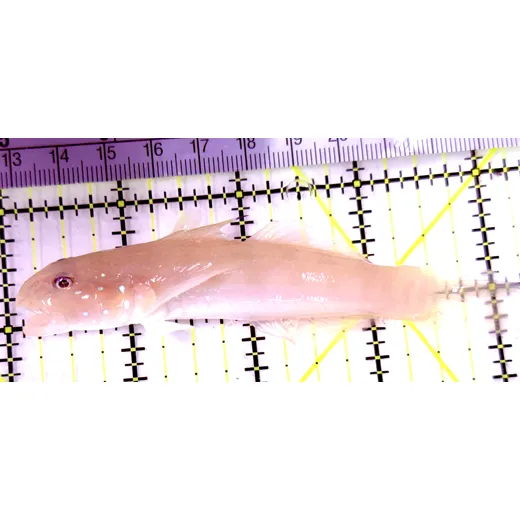
White Sand Shifting Sleeper Goby (WSSSG100602)
Valenciennea sexguttata
Reef Compatible: Yes
Care Level: Intermediate
Disposition: Peaceful
Min. Tank Size: 50 gallons
Mature Size: 5.5 inches
Approximate Size (L): 4.25 inches
Natural Behavior
Observing the White Sand Shifting Sleeper Goby in action is a delight. This fish moves sand gently across the substrate, mimicking its natural foraging behavior. This activity adds dynamic movement and realism to the aquarium environment.
Living Conditions
Thrives in established tanks with stable water parameters. Requires a well-maintained 50-gallon reef system with adequate hiding spots and live rock for shelter.
| Feature | Detail |
|---|---|
| Species | Valenciennea sexguttata |
| Size (Length) | 4.25 inches (approx) |
| Mature Size | 5.5 inches |
| Reef Compatibility | Yes |
| Difficulty Level | Intermediate |
| Behavior | Peaceful, active sand sifter |
FAQ
Is the White Sand Shifting Sleeper Goby safe to keep with corals?
Yes, this goby is reef-compatible and does not harm corals. It is peaceful and primarily interacts with the substrate, not with live coral.
How long does it take for this goby to reach maturity?
The White Sand Shifting Sleeper Goby typically reaches maturity in 12 to 18 months under proper care conditions.
What kind of substrate is best for this fish?
A fine-grained sand substrate is ideal, as the goby naturally sifts through it for food. Avoid coarse or sharp substrates that may injure its body.

Neil Hughes –
This goby has become a highlight in my 50-gallon reef tank. It constantly moves sand around, which adds a natural, dynamic element. The fish is calm and doesn’t stress other inhabitants. It’s a great addition for intermediate reef keepers.
Connor Berry –
I’ve had this goby for six months now. It’s active and curious, especially during feeding times. The sand-sifting behavior is fascinating to watch. I appreciate how it blends well with the reef environment.
Lily Lawrence –
The fish arrived healthy and settled quickly. It’s peaceful and doesn’t chase or nip at other fish. The movement through the sand is subtle and adds a lot of visual interest to the tank.