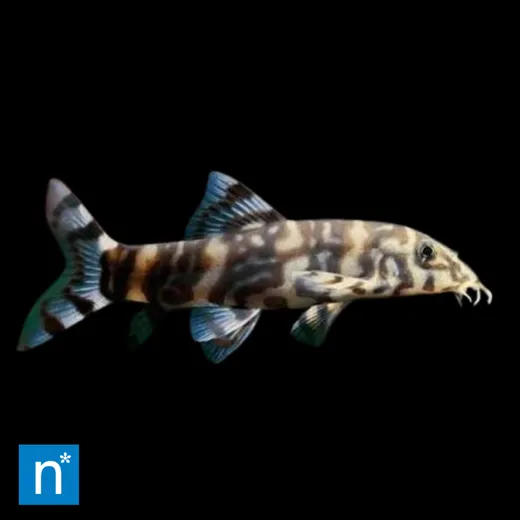
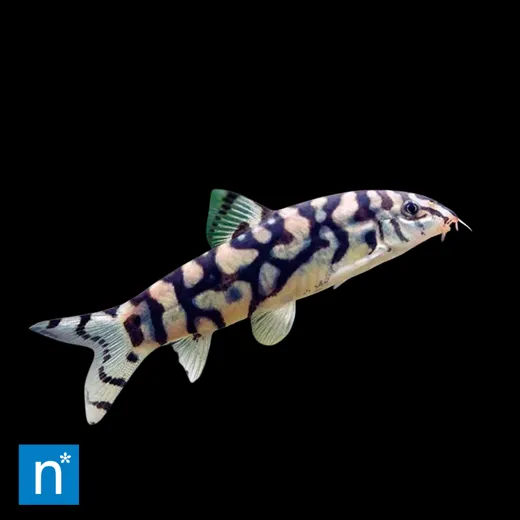
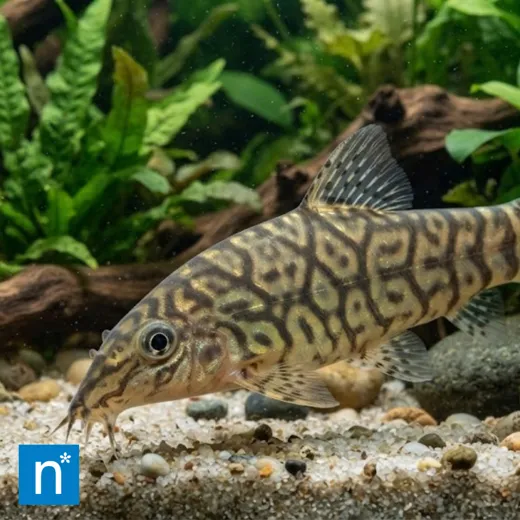
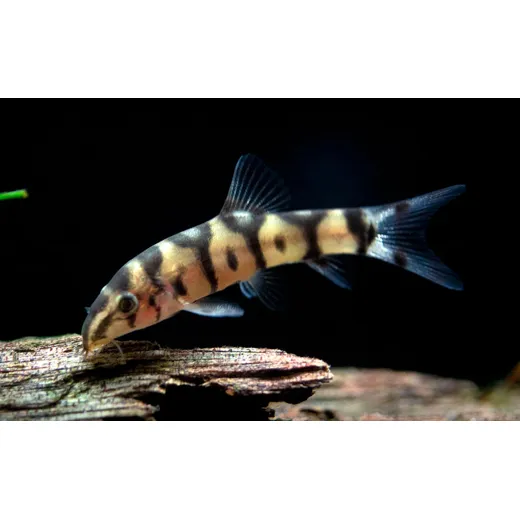
Yoyo Loach | Botia almorhae
Choose the aquarium for the adult animal and its companions. A mature filter and stable, species-appropriate water conditions are essential.
At a Glance
| Origin & natural habitat | India; freshwater habitats. |
|---|---|
| Adult size | Approximately 16 cm body length (excluding the tail fin). |
| Temperament | Keep a social group; energetic and unsuitable for very shy fish |
| Activity | Use a consistent light/dark cycle with sheltered resting places. |
| Social needs | Choose companions sharing its adult size, water conditions and behaviour. |
Housing & Setup
Enclosure dimensions are length × depth × height. Provide ample space, hiding spots, and a well-maintained filtration system to support the loach’s active and social nature.
FAQ
What is the ideal tank size for a Yoyo Loach?
A minimum of 30 gallons is recommended to accommodate the adult size and provide enough space for social behavior and activity.
Are Yoyo Loaches compatible with other fish species?
They thrive best in groups with similarly sized, active fish that can tolerate the same water conditions and activity level.
How often should water be changed?
Perform partial water changes every 1-2 weeks to maintain stable water parameters and prevent buildup of nitrates.

Owen Hudson –
The Yoyo Loach is lively and active, making it a great addition to a community tank. I kept it with other loaches and they get along well. The fish enjoy the hiding spots and the light cycle helps with their activity. Water quality needs regular monitoring but the fish are healthy and active.
Maria King –
I bought this for my 55-gallon tank. The loach is curious and active, especially during the day. It likes to explore the substrate and hide in caves. I’ve noticed it’s more comfortable in a group, so I added two more loaches. The water parameters stayed stable with regular maintenance.
Dan MacDonald –
The fish arrived healthy and has been active since day one. It’s not shy and enjoys the movement in the tank. I provide a consistent light schedule and plenty of plants and rocks for shelter. It’s a fun and engaging species to watch.