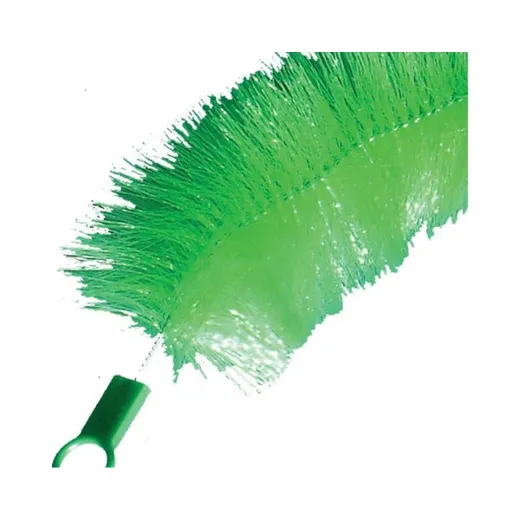
Why Two Spawning Brushes?
If you have mature koi of each gender, they will be ready to spawn from April to August. Spawning timing depends on temperature and daylight. A warm spring may bring the season forward, while cold weather can delay it. Koi naturally look for suitable surfaces to lay eggs—such as plants, roots, or filamentous algae. Most domestic koi ponds lack these natural surfaces, so koi may either fail to spawn or attempt to spawn on pond walls. Spawning is an energy-intensive process, and fish are at risk of injuring themselves on hard surfaces without proper spawning substrates.
Brush Specifications
| Attribute | Value |
|---|---|
| Number of Brushes | 2 |
| Size (Length x Diameter) | 59″ x 5.5″ (1500mm x 140mm) |
FAQ
Can these brushes be used in both indoor and outdoor koi ponds?
These brushes are designed for use in outdoor koi ponds where natural spawning surfaces are limited. They are not recommended for indoor use due to exposure to water temperature and environmental conditions.
Do the brushes need to be cleaned after use?
Yes, the brushes should be rinsed thoroughly with clean water after each use to prevent algae buildup and maintain hygiene.
Are the brushes durable and long-lasting?
The brushes are made from durable, water-resistant materials and are designed to withstand regular pond use. With proper care, they can last for several seasons.
Anthony Sharp –
The brushes worked perfectly for our koi. After installing them, we saw spawning activity start in early May. The koi used the brushes instead of the pond walls, which reduced injuries. Easy to set up and maintain.
Victoria Knox –
We had trouble getting the koi to use the brushes at first, but after a week of observation, they started laying eggs on them. The size fits well in our pond and the material holds up well in water.
Sonia Black –
This product solved our problem of koi spawning on the walls. The brushes are sturdy and the design mimics natural spawning surfaces. We’ve used them for two seasons now with no issues.