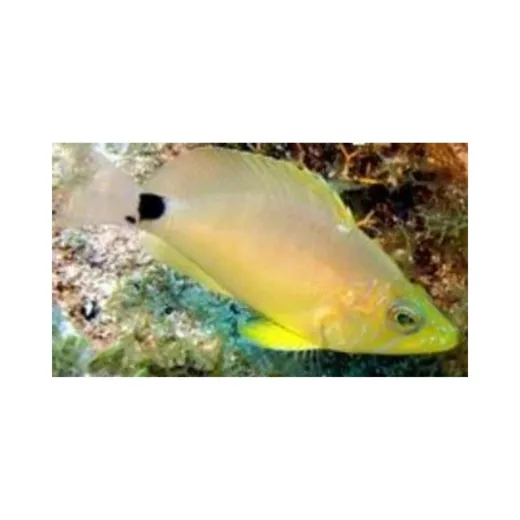
Butter Hamlet (Hypoplectrus unicolor)
The Caribbean Butter Hamlet (Hypoplectrus unicolor) is a beautifully subtle and personality-filled addition to saltwater aquariums. Known for its smooth golden-yellow to buttery tan coloration and compact grouper-like body, this species adds understated elegance and classic Caribbean reef charm to your tank.
Native to Caribbean reefs and rocky areas, Butter Hamlets appreciate plenty of live rock with caves and ledges where they can perch and feel secure. They are generally peaceful toward similarly sized fish but can be territorial with other hamlets or very small tank mates.
This species is hardy and adapts well to captivity, readily accepting a carnivorous diet of meaty frozen foods such as mysis shrimp, brine shrimp, and finely chopped seafood.
| Specs | Details |
|---|---|
| Species | Hypoplectrus unicolor |
| Size (adult) | 4-5 inches |
| Temperament | Peaceful, territorial with similar species |
| Diet | Carnivorous (frozen meaty foods) |
| Water Conditions | Salinity: 1.020–1.025, Temperature: 75–82°F, pH: 8.1–8.4 |
FAQ
What kind of habitat does the Butter Hamlet need in a tank?
Butter Hamlets thrive in a tank with plenty of live rock, caves, and ledges where they can perch and feel secure. A well-structured reef environment mimics their natural Caribbean habitat.
Is the Butter Hamlet aggressive toward other fish?
They are generally peaceful with similarly sized fish but can become territorial with other hamlets or very small tank mates.
What do Butter Hamlets eat?
They accept a carnivorous diet of meaty frozen foods such as mysis shrimp, brine shrimp, and finely chopped seafood.

Eric Nash –
Added a Butter Hamlet to my 55-gallon reef tank last month. It’s very calm and blends well with the other fish. The color is soft and elegant, and it enjoys the live rock crevices. Feeds well on brine shrimp and mysis shrimp. A great addition to a balanced reef setup.
Joan Turner –
The hamlet arrived healthy and has been active since setup. It likes to sit in the back corner with rock formations. I feed it frozen shrimp twice a week. It’s not aggressive, just shy and observant. Would recommend for a medium-sized tank with good structure.
Max Clark –
Beautiful fish with a subtle, natural look. It’s easy to care for and doesn’t stress other fish. I’ve had it for three months and it’s still active and healthy. The color is consistent and pleasing in the tank.