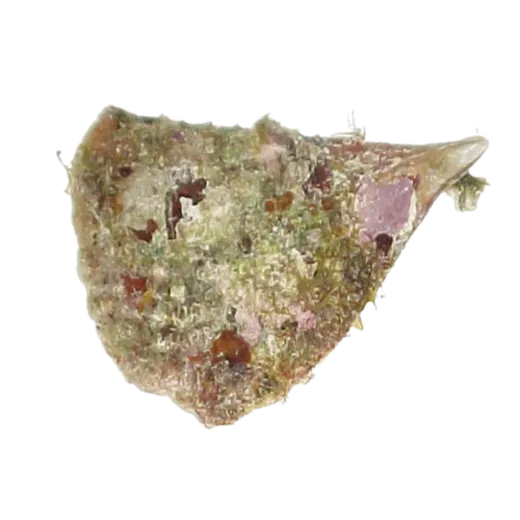
Caribbean Pin Shell Scallop (Atrina rigida)
A unique and elegant bivalve that adds natural reef-flat texture to saltwater aquariums. With its elongated, triangular shell and subtle tan to brown coloration, this species enhances visual interest without dominating the tank. When settled, it often shows delicate mantle edges that extend gently from the shell, creating a quiet and fascinating presence.
Native to shallow Caribbean waters, the Pin Shell Scallop naturally anchors itself upright in sandy or muddy substrates. In the aquarium, it thrives when partially buried in fine sand under stable water conditions and with minimal disturbance. Once established, it is a stationary invertebrate, so proper placement during acclimation is essential.
| Specification | Detail |
|---|---|
| Scientific Name | Atrina rigida |
| Native Habitat | Shallow Caribbean waters |
| Substrate Preference | Fine sand or muddy substrate |
| Water Conditions | Stable, low disturbance |
| Behavior | Stationary after settlement |
FAQ
How deep should the sand be for proper settlement?
The Pin Shell Scallop should be partially buried in fine sand, with the shell sitting upright and about one-third to half of the shell covered. This allows it to anchor naturally while still being visible.
Can this scallop survive in a tank with strong water flow?
No, this species prefers low to moderate water flow. Strong currents can disturb its position and prevent proper settlement.
Does it require any special lighting?
No special lighting is required. It is a low-light tolerant species and thrives in typical reef tank lighting conditions.

Katherine Butler –
The Pin Shell Scallop looks beautiful in my 55-gallon tank. I placed it in a fine sand bed and it settled within a week. The mantle edges are delicate and add a natural touch to the reef. I didn’t have to adjust anything after placement.
Victoria Manning –
It’s a quiet addition to the tank. I was worried about it being too small, but it fits well with the other invertebrates. It stays upright and looks natural after a few days in the sand.
Jonathan Dickens –
I’ve had this scallop for over two months and it’s still in perfect condition. The color is natural and the shell shape adds a nice contrast to the sandy bottom. No issues with movement or health.