Sea Hare
In the wild, the Sea Hare can be found in shallow, sandy, shaded areas. In your tank, the Sea Hare will require lots of space to move, as well as plenty of live rock and sandy area to graze. The Sea Hare requires cover from light in your tank.
Sea Hares produce a dark purple dye when startled, it can become toxic to the rest of your tank if not cared to immediately. You should consider having a good chemical filter system in your tank to remove these toxins quickly.
Caribbean Sea Hare (Aplysia dactylomela)
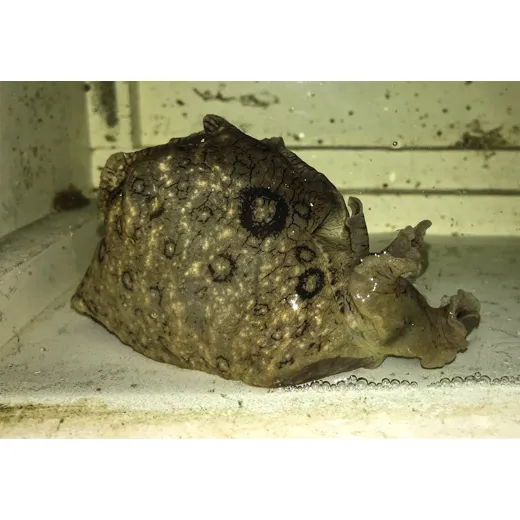
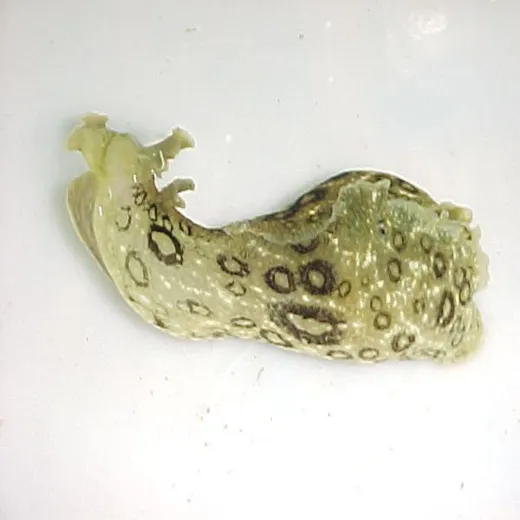
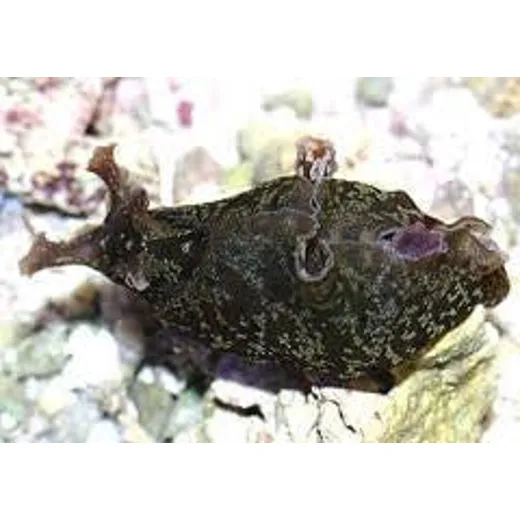
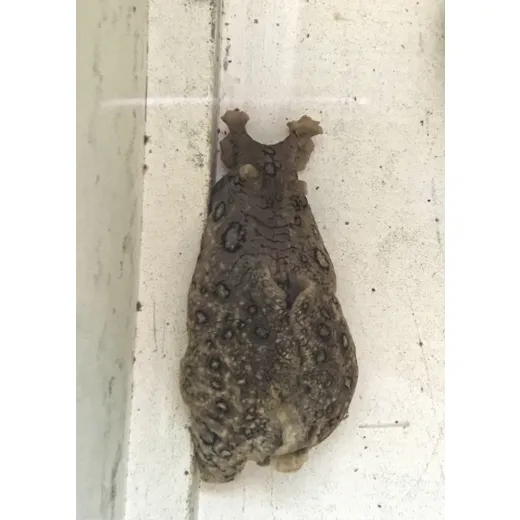
A large, gentle sea slug best known for its algae-eating abilities and unique appearance. Its soft body is typically tan to brown with dark ring or blotch patterns, giving it a natural look.
| Species | Caribbean Sea Hare (Aplysia dactylomela) |
|---|---|
| Size | Up to 15 cm (6 inches) |
| Feeding | Algae, macroalgae, and some marine plants |
| Water Conditions | Salinity: 1.020–1.025, Temperature: 22–28°C, pH: 8.1–8.4 |
FAQ
What kind of environment does the Sea Hare need in a saltwater tank?
The Sea Hare requires a spacious tank with plenty of live rock and a sandy substrate for grazing. It needs shaded areas and protection from direct light to avoid stress.
What happens when a Sea Hare is startled?
When startled, the Sea Hare releases a dark purple dye that can be toxic to other tank inhabitants. A strong chemical filtration system is recommended to remove the dye quickly.
Is the Caribbean Sea Hare easy to care for?
The Caribbean Sea Hare is gentle and primarily feeds on algae, making it a relatively low-maintenance addition to a well-established marine tank. However, it requires stable water conditions and proper hiding places.


Gavin Springer –
The Sea Hare is a beautiful and peaceful addition to my tank. It spends most of its time grazing on algae and seems to enjoy the live rock. I noticed it released a dark color when startled, but my filter handled it well. It’s a great choice for a calm, natural-looking display.
Anne Wallace –
I’ve had the Sea Hare for three months now. It’s active and curious, and it helps keep the algae under control. I make sure to keep the tank shaded and have a strong filter to manage the dye when it’s startled.
Jonathan Hill –
The appearance of the Caribbean Sea Hare is striking with its tan and dark patterns. It’s not aggressive and blends well with the tank environment. I appreciate how it doesn’t require much feeding beyond regular algae sources.