Chocolate Tang: The Master of Disguise
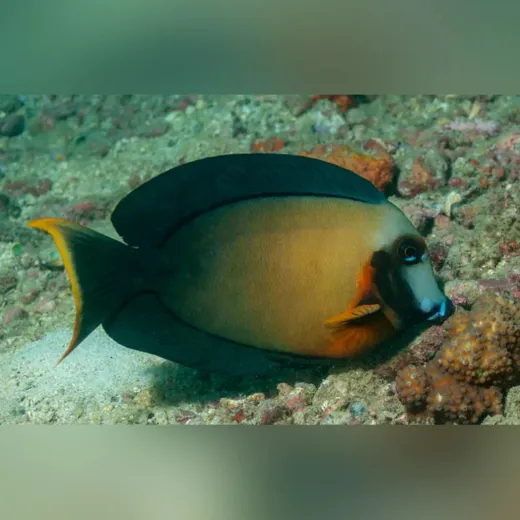
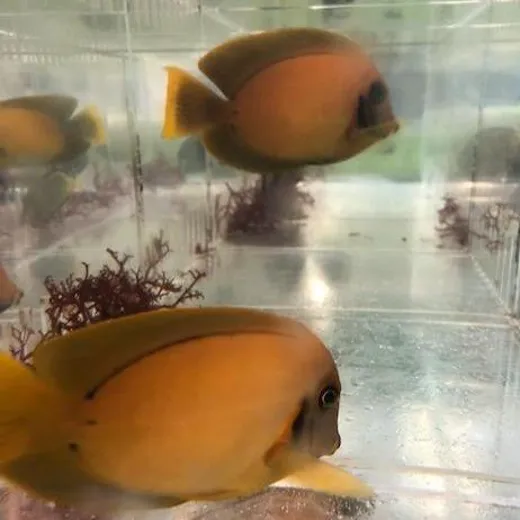
The Chocolate Tang (Acanthurus pyroferus), also known as the Mimic Tang, is a fascinating and unique addition to any marine aquarium. This species is famous for its incredible ability to mimic the coloration of various angelfish species as a juvenile to protect itself from predators. You may find juveniles sporting the vibrant yellow of a Lemonpeel Angelfish or the striking black and white of a Half-black Angelfish. As it matures, the Chocolate Tang undergoes a dramatic transformation, developing a solid brown or gray body. It is a peaceful fish but can be territorial towards other tangs, making it a great last addition to a tank. As a herbivore, it is a fantastic choice for a reef tank, helping to control algae growth.
Specifications
| Feature | Detail |
|---|---|
| Scientific Name | Acanthurus pyroferus |
| Common Name | Chocolate Tang, Mimic Tang |
| Adult Size | 6 to 8 inches |
| Feeding Type | Herbivore |
| Temperament | Peaceful, territorial with other tangs |
| Lifespan | 10 to 15 years |
| Water Temperature | 75–82°F |
| Water pH | 8.1–8.4 |
FAQ
What is the difference between juvenile and adult Chocolate Tangs?
Juvenile Chocolate Tangs mimic the coloration of other angelfish species, such as Lemonpeel or Half-black Angelfish, for protection. As they mature, they develop a solid brown or gray body and lose their juvenile color patterns.
Is the Chocolate Tang suitable for a community tank?
The Chocolate Tang is peaceful but can become territorial with other tangs. It is best introduced as the last fish in a tank to minimize aggression.
What kind of diet does the Chocolate Tang require?
As a herbivore, the Chocolate Tang primarily eats algae and algae-based foods. It should be fed a diet rich in algae wafers, spirulina, and other plant-based foods.



Steven Hodges –
I added a Chocolate Tang to my 55-gallon reef tank last year. The fish was very calm and started eating algae immediately. After a few months, it turned fully brown, which was exactly what I expected. It’s a great addition for a tank with other tangs, as long as it’s introduced last.
Lisa Russell –
The juvenile stage was very colorful and looked like a Half-black Angelfish at first. It took about 6 months to mature. I had to be careful not to add other tangs too early. Now it’s a solid brown and very active in cleaning the tank.
Olivia Robertson –
I’ve had this fish for over a year and it’s still healthy and active. It doesn’t stress other fish and helps keep the algae under control. The color change from yellow to brown was gradual and impressive.