Cubaris sp. ‘Citrus’ Isopods
Origin
• Native to Southeast Asia, specifically Malaysia and Thailand
Environmental Preferences
• Temperature Range: 75–80°F (24–27°C)
• Humidity Preference: Medium to High (60–80%)
Physical Characteristics
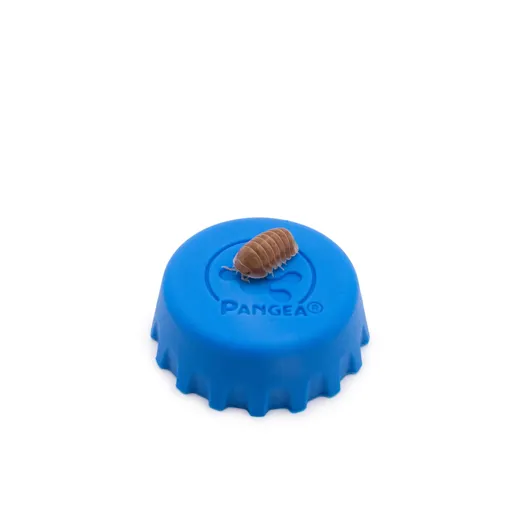
• Average Adult Size: 1.3 cm (~0.5″)
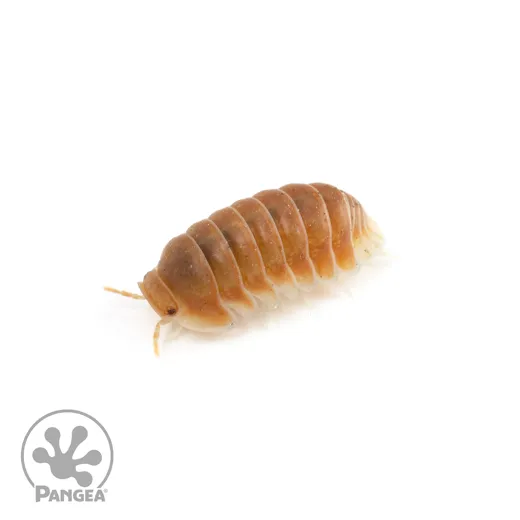
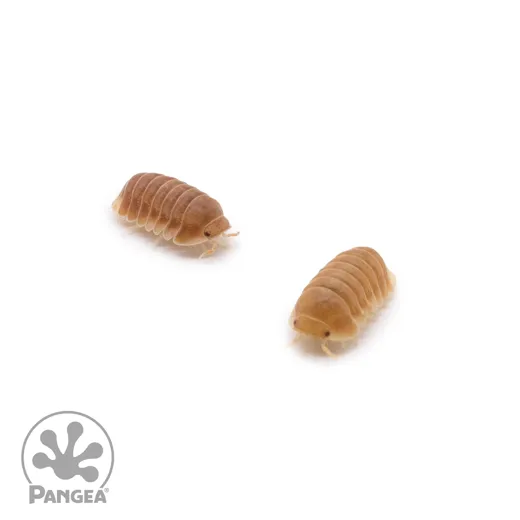
• Vibrant red-orange coloration with white edge accents
Diet
• Soft or rotting wood
• Decaying plant matter
• Calcium sources (e.g., cuttlebone, eggshell)
• Protein (e.g., freeze-dried shrimp, minnows, fish pellets, dried insects)
• Commercial insect food (e.g., various brands available)
• Vegetables (e.g., carrots, zucchini, sweet potatoes, pumpkin, cucumber)
• Fruits (e.g., bananas, apples, watermelon, mango)
Description
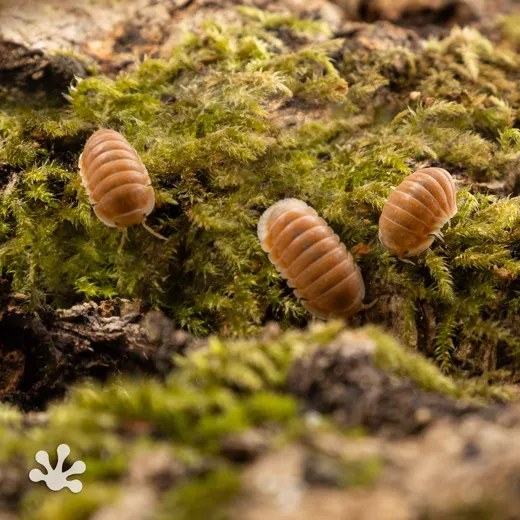
Cubaris sp. ‘Citrus’ isopods are small, colorful crustaceans known for their bright red-orange bodies with white edge markings. They thrive in warm, humid environments and are well-suited for terrariums or enclosed habitats. These isopods feed on decaying plant material, soft wood, and a variety of fruits and vegetables. Their vibrant appearance and relatively low maintenance make them a popular choice for insect enthusiasts and beginner terrarium keepers.
| Feature | Detail |
|---|---|
| Species | Cubaris sp. ‘Citrus’ |
| Origin | Malaysia, Thailand |
| Adult Size | 1.3 cm (~0.5″) |
| Coloration | Vibrant red-orange with white edge accents |
| Temperature Range | 75–80°F (24–27°C) |
| Humidity Preference | 60–80% |
FAQ
What is the ideal temperature for Cubaris sp. ‘Citrus’ isopods?
The ideal temperature range is 75–80°F (24–27°C).
What kind of food do Cubaris sp. ‘Citrus’ isopods eat?
They eat soft or rotting wood, decaying plant matter, vegetables like carrots and zucchini, fruits such as bananas and apples, and protein sources like freeze-dried shrimp or fish pellets.
Are Cubaris sp. ‘Citrus’ isopods suitable for beginners?
Yes, they are well-suited for beginners due to their low maintenance and tolerance for a variety of food sources.

Frank Buckland –
These isopods are very active and colorful. I kept them in a small terrarium with a humidity tray and they thrive on banana peels and decaying leaves. They don’t seem to eat much, but they stay healthy and look vibrant.
Austin Simpson –
The red-orange color is striking. I feed them a mix of zucchini and apple slices. They seem to enjoy the fruits and vegetables. The temperature and humidity levels I maintain are within the recommended range.
Andrea Mathis –
Great addition to my terrarium. They are easy to care for and don’t require much attention. I noticed they prefer moist areas and eat rotting wood and soft plant matter regularly.