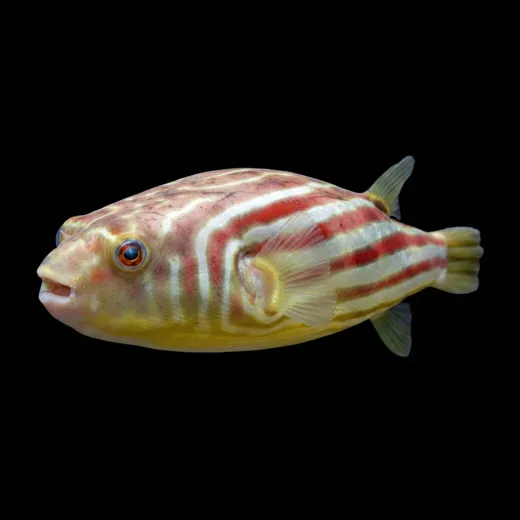

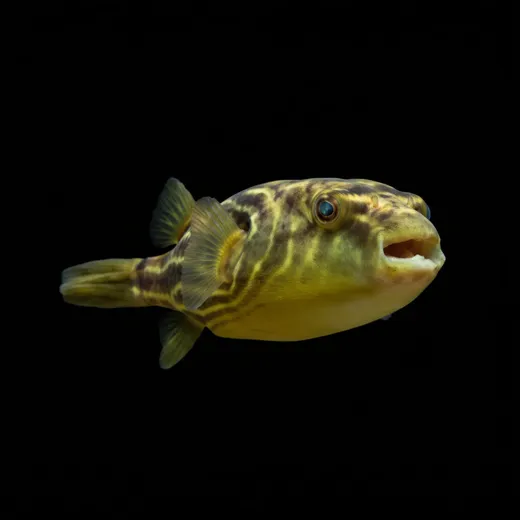
Fahaka Puffer Fish (Tetraodon lineatus) 1-2cm
Fahaka Puffer Fish (Tetraodon lineatus) brings intelligent behaviour and distinctive striping to a suitably prepared aquarium. Plan its home around adult space, water, diet and social needs rather than the current sale size.
Quick Facts
- Scientific name: Tetraodon lineatus
- Product type: large specialist freshwater pufferfish
- Sale size: Approximately 1–2cm as listed
- Sale unit: One individual per quantity ordered unless the listing states otherwise
- Social needs: Highly territorial predator generally kept alone
Is this for you?
Consider this fish if you have experience with freshwater aquariums and can provide a spacious, stable environment with proper water parameters and a consistent diet. It is not suitable for beginners or community tanks due to its aggressive nature and territorial behaviour.
FAQ
What is the typical adult size of the Fahaka Puffer Fish?
The Fahaka Puffer Fish can grow to several centimetres in adulthood, though the sale size listed is approximately 1–2cm, which reflects the juvenile stage at purchase.
Can I keep multiple Fahaka Puffer Fish together?
No, Fahaka Puffer Fish are highly territorial and should be kept alone. Keeping multiple individuals together can lead to aggression and injury.
What kind of water conditions does this fish require?
This species requires stable water conditions with a temperature between 24–28°C, a pH of 6.0–7.5, and good water quality. Regular water changes are essential.

Edward Glover –
The fish arrived healthy and active. It has a unique appearance with distinct striping. I’ve kept it alone in a 20-liter tank with proper filtration and regular water changes. It’s more active than expected and shows interesting behaviour, though it does need a lot of space and stable conditions.
Christopher Bond –
I bought this for my beginner aquarium, but it’s not suitable for small tanks. I had to upgrade my setup to accommodate its needs. It’s a striking fish and very intelligent, but it requires careful attention to water parameters and diet.
Grace Pullman –
After a few weeks, the fish has settled into its tank and shows no signs of aggression. I’ve maintained a consistent feeding schedule and perform weekly water changes. It’s a beautiful addition to my freshwater setup.