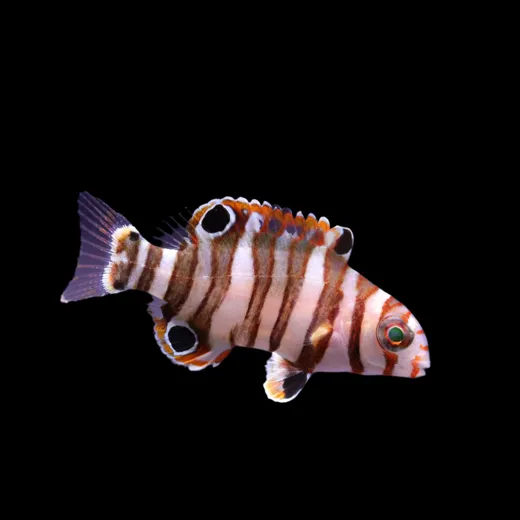
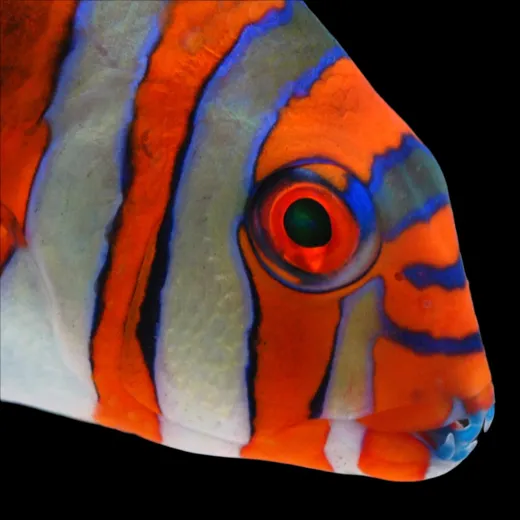
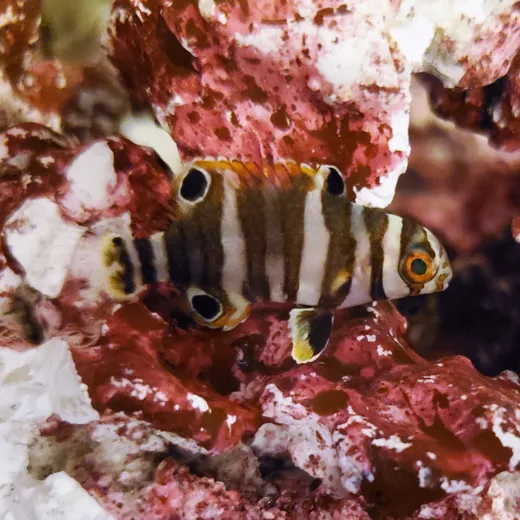
Harlequin Tuskfish (Choerodon fasciatus)
The Harlequin tuskfish is a vibrant member of the wrasse family, known for its lively and outgoing behavior, making it a popular choice among aquarium enthusiasts.
These juveniles are bred in Bali, with parent stock originating from Australia, which contributes to their bright red coloration. They grow up to 10 inches in size and require a spacious aquarium of 150 gallons or larger for long-term health.
They thrive in environments with ample rockwork or rubble, providing hiding spots and natural terrain.
| Feature | Detail |
|---|---|
| Species | Choerodon fasciatus |
| Origin | Bali (bred), Australian parent stock |
| Growth Size | Up to 10 inches |
| Minimum Tank Size | 150 gallons (long term) |
| Preferred Habitat | Rockwork or rubble-rich environment |
| Aggression Level | Semi-aggressive in adulthood |
The Harlequin tuskfish is not reef-safe and may target invertebrates, small fish, or cleaning crews. Best suited for fish-only tanks with similarly sized, compatible fish.
FAQ
What is the expected adult size of the Harlequin tuskfish?
The Harlequin tuskfish can grow up to 10 inches in adult size.
Is this fish suitable for a reef aquarium?
No, the Harlequin tuskfish is not reef-safe and may eat invertebrates or small fish.
What type of tank setup is recommended?
A tank of at least 150 gallons with ample rockwork or rubble is recommended for optimal health and behavior.

Eric MacDonald –
The fish is very active and colorful. It’s been two months now and it’s still showing interest in the rocks and decorations. I keep it in a 180-gallon tank with other fish of similar size. It’s not aggressive but does chase small shrimp occasionally. Overall, a great addition to a fish-only setup.
Peter Baker –
The red coloration is vivid and the fish is very curious. I noticed it sometimes eats small snails, so I removed them from the tank. It’s a good fit for a larger tank with plenty of rockwork. Not for reef tanks though.
James Simpson –
Bought this as a juvenile and it’s grown nicely. The tank is now 150 gallons and it’s active and healthy. I keep it with other wrasses and it seems to get along well. The color is bright and the behavior is engaging.