Juncus Ensifolius | Swordleaf Rush
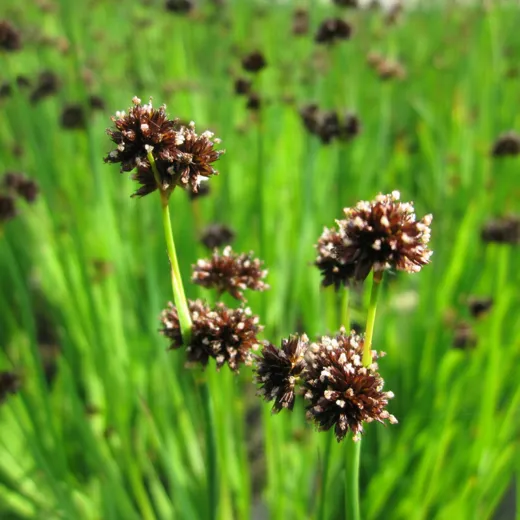
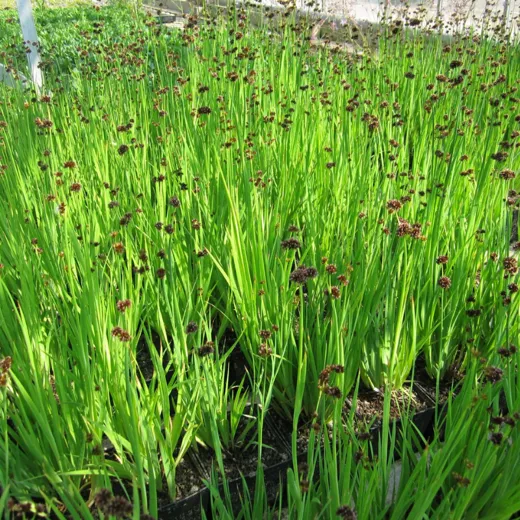
Juncus Ensifolius, also known as the Swordleaf Rush, has bright green, grass-like foliage topped with numerous very dark brown seed heads, making it an attractive and unusual addition to a pond and giving it its common name. Little maintenance is required. Trim just above the water surface after foliage has died back in Autumn to tidy, leaving a little material to protect new shoots.
Marginal plants are great for ponds, and will add colour, interest and wildlife habitat to your garden. Like Juncus Ensifolius Swordleaf Rush, they make a wonderful and easy addition to any edge.
Where to Plant Pond Plants?
Marginal pond plants, such as the Juncus Ensifolius Swordleaf Rush, can be placed in the wet soil along the edges of ponds or in shallow water zones where the plant can establish roots and grow.
| Feature | Detail |
|---|---|
| Plant Type | Marginal Plant |
| Height | Up to 30 cm |
| Water Depth | Shallow to medium (up to 15 cm) |
| Seasonal Foliage | Bright green in spring and summer |
| Seed Heads | Dark brown, appear in autumn |
FAQ
How often should I trim the Swordleaf Rush?
Trim the Swordleaf Rush just above the water surface after the foliage has died back in autumn to maintain shape and encourage new growth.
What is the ideal water depth for planting Juncus Ensifolius?
The ideal water depth is shallow to medium, up to 15 cm, where the plant can establish roots and grow properly.
Does the Swordleaf Rush require fertilization?
No, Juncus Ensifolius requires little to no fertilization. It thrives in natural pond conditions.



Jan Marshall –
I planted the Swordleaf Rush along the edge of my pond last spring. The green foliage and dark brown seed heads in autumn add a striking contrast. It’s low maintenance and grows well without needing much care. I’ve seen frogs and dragonflies using the plants as cover, which is a bonus.
Gabrielle Ogden –
The plant arrived healthy and established quickly. I trimmed it in autumn as recommended and it looked neat. The color change from green to brown is very noticeable and adds visual interest to the pond edge.
Tim Cameron –
Great for beginners. I didn’t expect it to grow so well in my shallow pond. The plant stays tidy and provides habitat for small pond creatures. I love the way it looks in the late season with its dark seed heads.