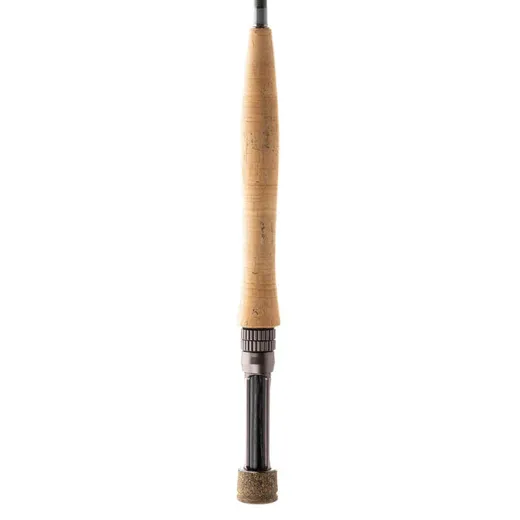
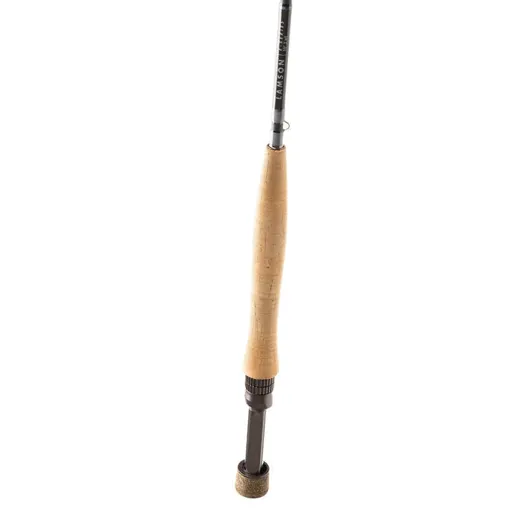
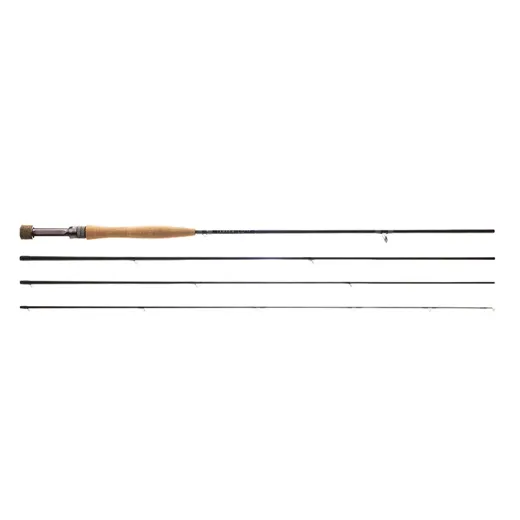
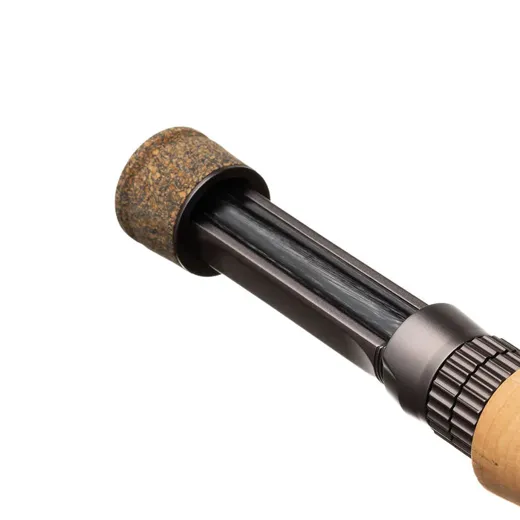
Lamson E-Series Fly Rod
If you’ve ever felt like you’re almost connected — like you’re drifting the right lane, but missing the bottom contact and those ultra-subtle takes — the Lamson E-Series was built for you.
These rods are designed to do one thing incredibly well: help you map the bottom of every run you fish.
The E-Series is a purpose-built euro nymphing tool with a progressive medium-fast blank, an ultra-sensitive tip, and a stout lower section that delivers clean hook sets, serious fish control, and a stable, confident feel even with long leaders and heavy point flies.
Key Features
| Feature | Detail |
|---|---|
| Action | Progressive medium-fast |
| Tip Sensitivity | Ultra-sensitive |
| Lower Section | Stout and stable |
| Intended Use | Euro nymphing |
FAQ
What type of fishing is best suited for the Lamson E-Series?
The Lamson E-Series is specifically designed for euro nymphing, where precise bottom contact and subtle take detection are essential.
Does the rod handle long leaders and heavy point flies well?
Yes, the stout lower section provides stability and confidence when using long leaders and heavy point flies.
Is the tip sensitive enough to detect subtle fish movements?
Yes, the ultra-sensitive tip allows for precise detection of subtle fish takes, making it ideal for accurate bottom contact.
Caroline McGrath –
I’ve been using the E-Series for several weeks now and it’s changed how I approach euro nymphing. The sensitivity in the tip helps me catch even the faintest takes, and the lower section stays solid even with long leaders. It’s a solid tool for precise fishing.
Oliver Black –
This rod feels balanced and responsive. I noticed better hook sets and more consistent contact with the bottom. The progressive action suits my style of fishing well.
Joan Thomson –
Great sensitivity and stability. It’s a bit heavier than I expected, but that adds to the control. Works well in slow-moving waters where subtle takes are common.
Donna Pullman –
After switching from a standard euro rod, I can finally feel the bottom properly. The tip is incredibly responsive and the rod holds its shape under pressure.