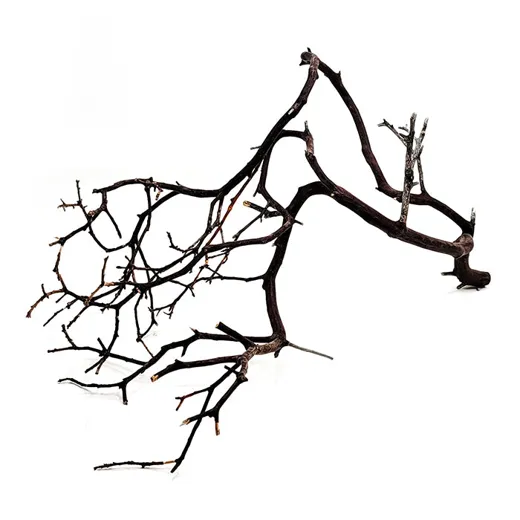
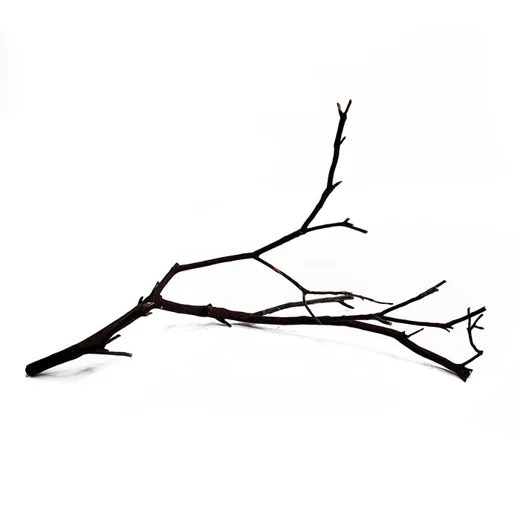
Manzanita Wood | Mountain Driftwood
Manzanita is an all-time favorite among many hobby aquarists, and there’s a good reason why. Not only does it look amazing in your aquatic landscape, but it also has many favorable physical properties that will benefit both the water quality of your aquarium and the health of your fish.
What is Manzanita Wood?
Manzanita wood is also known as Mountain Driftwood or simply Manzanita Driftwood. It originally comes from the Manzanita scrub, which is a small tree from Western North America. Its twisting branches with their red-orange color makes them incredibly sought-after by aquarists as a decorative addition to their aquarium.
What are the benefits of Manzanita Wood?
Manzanita wood is incredibly dense. In fact, it is suitable for use in aquariums due to its natural resistance to rot and its ability to slowly release tannins, which can help create a more natural water environment. It provides excellent surface area for beneficial bacteria to colonize, supporting biological filtration. The wood also adds visual interest and natural structure to the tank, helping fish feel more secure.
| Property | Detail |
|---|---|
| Origin | Western North America |
| Color | Red-orange to brown |
| Density | High |
| Usage | Decorative and filtration support |
FAQ
Is Manzanita wood safe for fish?
Yes, Manzanita wood is safe for fish when properly prepared. It naturally releases tannins in small amounts, which can create a soft, natural water environment. However, it should be cleaned and acclimated to the aquarium before use to avoid sudden changes in water chemistry.
How should I prepare Manzanita wood before placing it in the aquarium?
Soak the wood in dechlorinated water for at least 24 hours to reduce tannin release and prevent sudden pH drops. After soaking, rinse it gently with clean water and place it in the tank gradually to allow the water parameters to stabilize.
Can Manzanita wood be used in both freshwater and saltwater tanks?
Manzanita wood is primarily recommended for freshwater aquariums. It is not suitable for saltwater environments due to its tannin content and potential for affecting salinity balance.

Anna Davidson –
The Manzanita wood arrived in perfect condition. It has a beautiful red-orange hue and adds a natural look to my freshwater tank. After a few days of soaking, the water turned slightly yellow, which I like because it mimics a natural river environment. My fish seem more active around it, and the wood hasn’t shown any signs of rot yet.
Lisa Fisher –
I bought this for my community tank and it’s been a great addition. The branches are sturdy and look realistic. I soaked it for 24 hours and it’s now part of the landscape. The fish enjoy the structure, and the water quality has improved slightly due to the bacterial growth on the surface.
Wanda Miller –
This is exactly what I was looking for. The wood has a natural, aged appearance and fits well with my planted tank. It’s dense and doesn’t float, which is a plus. I’ve noticed more beneficial bacteria forming on the surface, which helps with filtration.