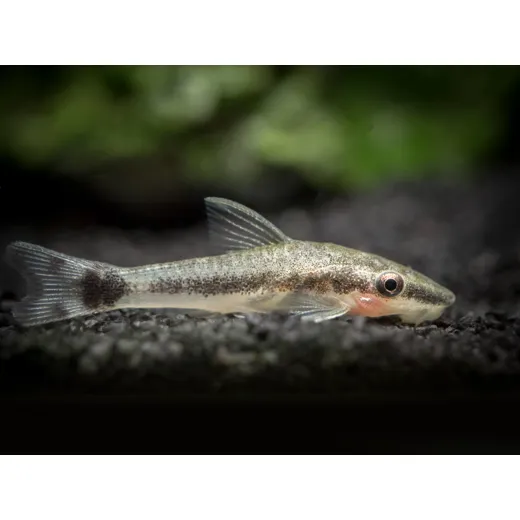
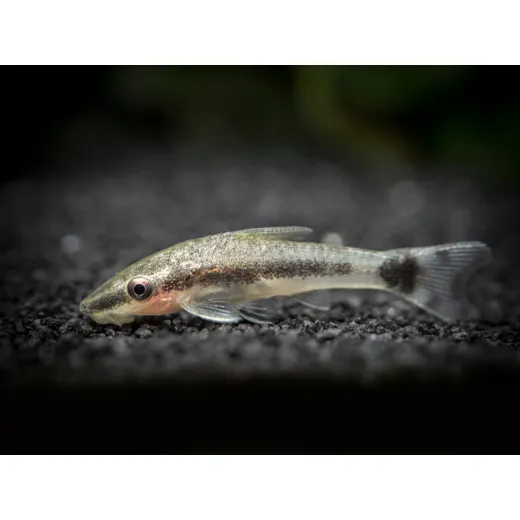
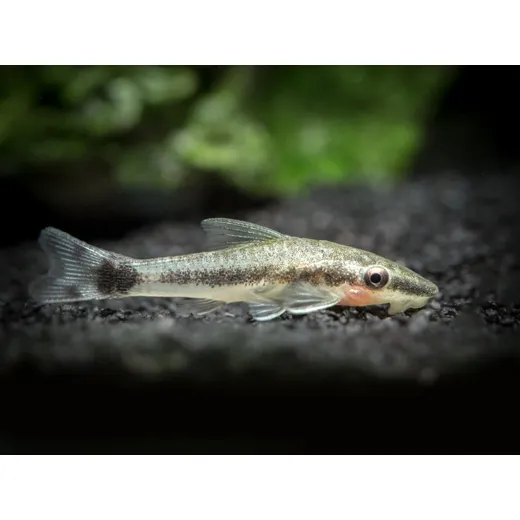
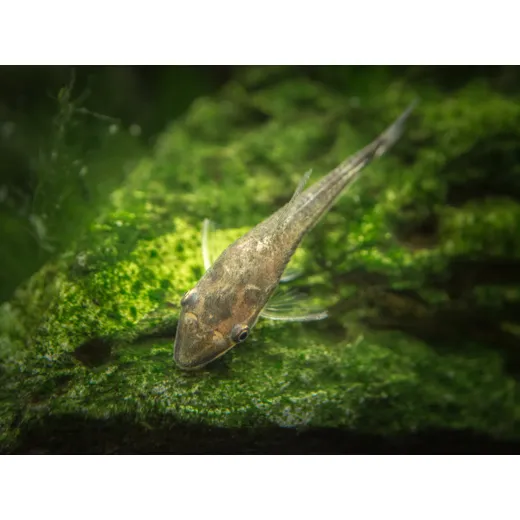
Otocinclus Catfish (Otocinclus macrospilus) – Tank-Bred
Tank-raised specimens of this classic nano fish are difficult to find, but we have them! Compared to wild-caught specimens, tank-raised specimens are typically much more durable in the aquarium.
Whether or not you have an algae problem in your tank, Otocinclus Catfish (Otocinclus macrospilus) make a great addition to any aquarium community. Also known as Otto Cats, otos, or dwarf suckermouth catfish, these fish use their sucker-mouths to attack algae on the aquarium glass, plants, and decorations. In fact, they are widely considered one of the best algae-eating fish in the world, and groups of them form quite the cleanup crew with their voracious appetite for algae.
They come from fast-flowing rivers in South America, so they do best in aquariums with strong current and stable water conditions.
| Species | Otocinclus macrospilus |
|---|---|
| Common Names | Otto Cats, Otos, Dwarf Suckermouth Catfish |
| Origin | South America |
| Size | 1.5 to 2.5 inches |
| Water Conditions | Temperature: 72–82°F, pH: 6.0–7.0, Hardness: 2–8 dGH |
| Behavior | Peaceful, social, bottom-dwelling |
FAQ
Are these Otocinclus catfish suitable for a community tank?
Yes, Otocinclus catfish are peaceful and make excellent additions to community tanks. They coexist well with other non-aggressive fish species.
How do Otocinclus catfish help with algae control?
They use their sucker-mouths to feed on algae growing on glass, plants, and decorations, making them highly effective at reducing algae buildup in aquariums.
What kind of water conditions do they prefer?
They thrive in warm, stable water with a temperature between 72–82°F, pH between 6.0–7.0, and moderate hardness.

Peter Hart –
I bought these Otocinclus catfish for my 10-gallon tank and they’ve been thriving for three months. They’re very active and clean the glass and plant surfaces regularly. Easy to care for and don’t stress other fish. A great addition to any small aquarium.
Nathan Harris –
The fish arrived healthy and were already active in the tank. I didn’t have much algae before, but now it’s almost gone. They’re small but efficient at cleaning. I’m happy with the purchase and would recommend them to others.
Vanessa Springer –
They’ve been in my tank for two months and are doing well. I noticed they eat algae on the back of the plants and glass. A little shy at first, but now they’re comfortable. Not the fastest grower, but they’re reliable.