Redback Amapa Angelfish (Pterophyllum scalare) – Tank-Bred!!!
For the safety of our animals, we now ship live fish exclusively via UPS Next Day Air. If your order contains this item, you will only see UPS Next Day Air as a shipping option during checkout.
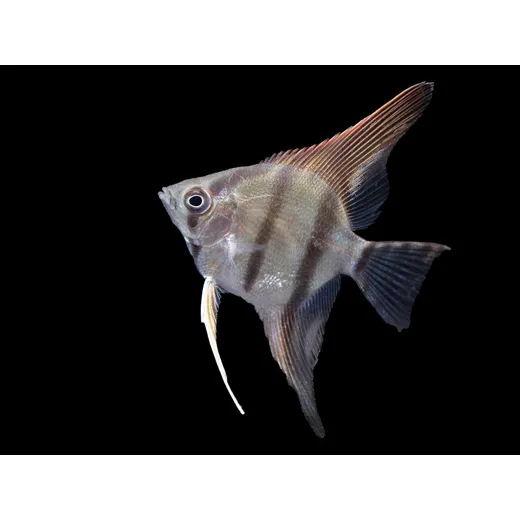
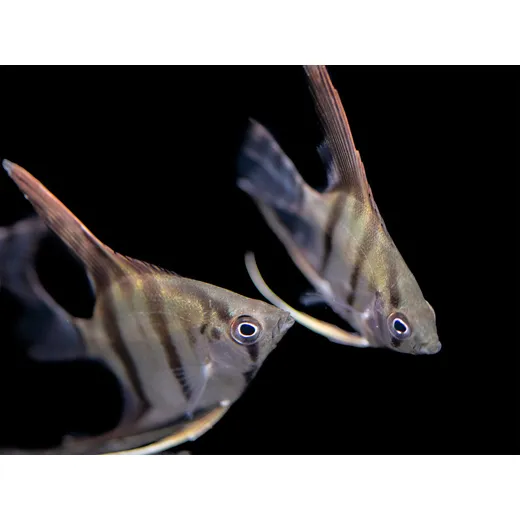
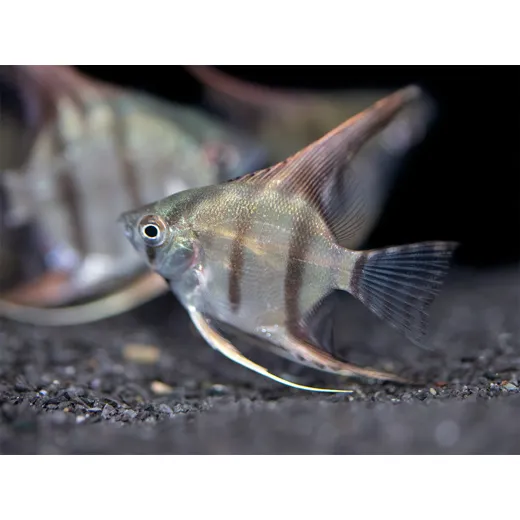
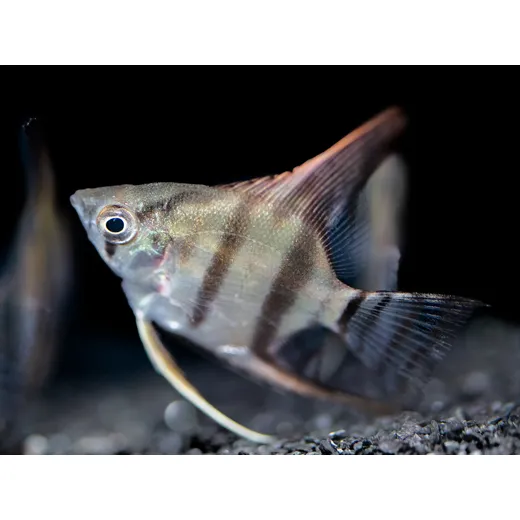
The Redback Amapa Angelfish is an exceptional geographic variant known for its bold red-orange coloration that extends from the forehead to the dorsal fin.
The Redback Amapa Angelfish (Pterophyllum scalare) is an uncommon geographic variant of the classic angelfish. It is distinctive due to the red-orange coloration developing from its forehead to its dorsal fin. This shoaling cichlid is relatively peaceful compared to other cichlids and has a very thin, tall body unlike more robust angelfish varieties.
| Species | Pterophyllum scalare |
|---|---|
| Coloration | Red-orange from forehead to dorsal fin |
| Behavior | Peaceful, shoaling |
| Body Shape | Thin, tall |
FAQ
What makes the Redback Amapa Angelfish different from other angelfish?
The Redback Amapa Angelfish is distinguished by its bold red-orange coloration that runs from the forehead to the dorsal fin, a feature not commonly seen in standard angelfish varieties.
Is this angelfish suitable for a community tank?
Yes, the Redback Amapa Angelfish is relatively peaceful and can coexist with other non-aggressive community fish in a well-maintained tank.
How is the fish shipped?
Live fish are shipped exclusively via UPS Next Day Air to ensure the safety and well-being of the fish.
Jane Ince –
Received the Redback Amapa Angelfish in excellent condition. The red-orange coloration is vibrant and stands out in the tank. It’s very active and seems healthy after a few days. Easy to care for and fits well with my community fish.
Adam Payne –
The fish arrived quickly via UPS Next Day Air. The coloration is striking, especially from the forehead to the back. It’s peaceful and doesn’t stress the other fish. A great addition to my 55-gallon tank.
Stewart Hunter –
This is one of the most visually appealing angelfish I’ve ever seen. The red-orange hue is intense and natural. It’s active but not aggressive, and it’s adapted well to the tank environment.