Shrimp Cave for Moss & Plants – 2-Pack Aquarium Hide
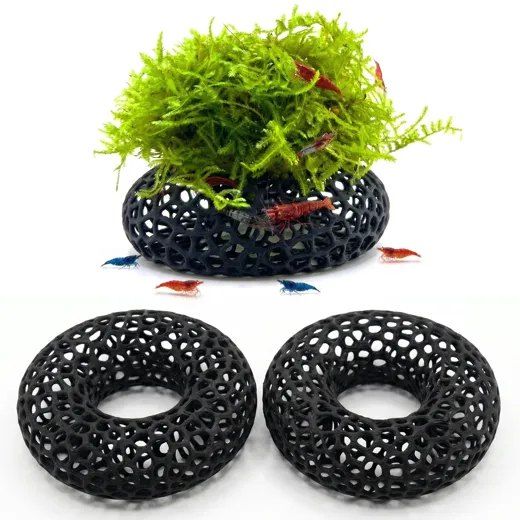
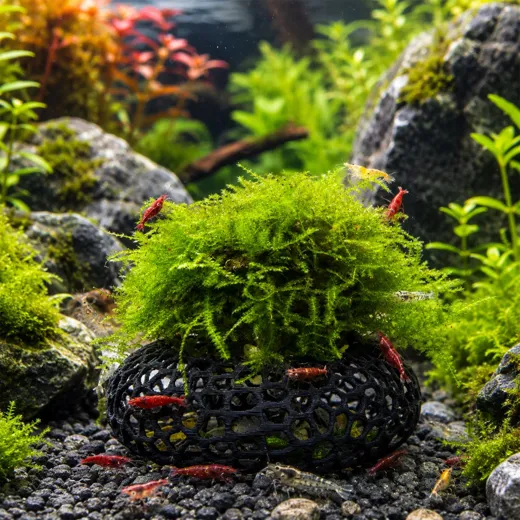
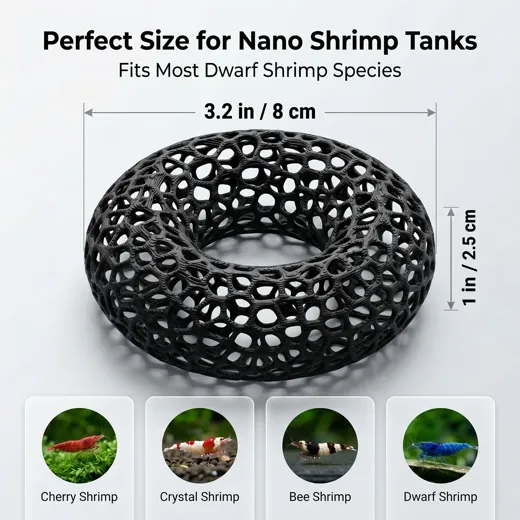
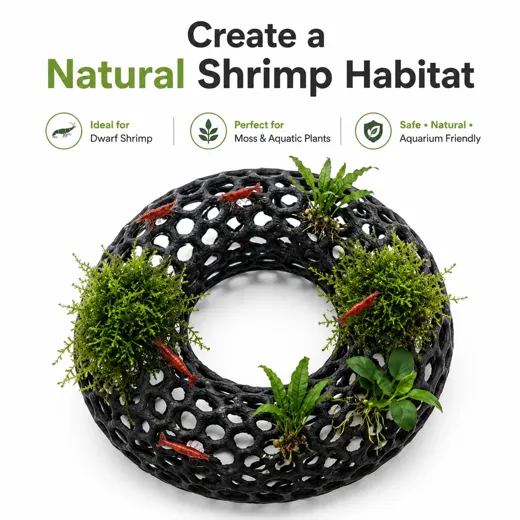
Provide shelter and natural aesthetic with these black ceramic shrimp caves, designed specifically for small aquatic pets like neocaridina and cherry shrimp. Each cave creates a safe hiding space while complementing planted aquascapes featuring moss, ferns, and anubias. The smooth, non-toxic ceramic construction won’t alter water chemistry. Two caves per pack allow flexible tank layouts and multiple refuge points for stressed or molting shrimp. Ideal for breeding tanks, these caves encourage natural behavior while enhancing your aquarium’s visual appeal.
Product Specifications
| Feature | Detail |
|---|---|
| Material | Ceramic |
| Color | Black |
| Quantity | 2 caves per pack |
| Compatible With | Neocaridina, cherry shrimp, moss, ferns, anubias |
| Water Safety | Non-toxic, does not affect water chemistry |
FAQ
Are the shrimp caves safe for use with live plants?
Yes, the ceramic material is non-toxic and does not affect water chemistry, making it safe for use with live plants like moss, ferns, and anubias.
Do the caves provide hiding spots for molting shrimp?
Yes, the caves offer safe hiding spaces, which is especially helpful for molting or stressed shrimp.
Can these caves be used in breeding tanks?
Yes, they are ideal for breeding tanks as they encourage natural shrimp behavior and provide secure refuge points.
Oliver Clark –
The shrimp caves fit perfectly in my tank with the moss and anubias. My cherry shrimp use them regularly, especially when they’re molting. The black color blends well with the aquascape and looks natural.
Benjamin Knox –
I bought two caves for my breeding tank. The shrimp have started using them as hiding spots. The ceramic is smooth and doesn’t scratch the plants. Great addition to the tank.
Faith Butler –
Works well with my neocaridina shrimp. The caves are sturdy and look good in the tank. A little small for larger shrimp, but perfect for the size I have.
Sonia Anderson –
Easy to install and looks great with the ferns. My shrimp are more active now, probably because they have places to hide. No issues with water quality or plant health.