Squamipinnis Anthias: The Graceful & Colorful Schooler
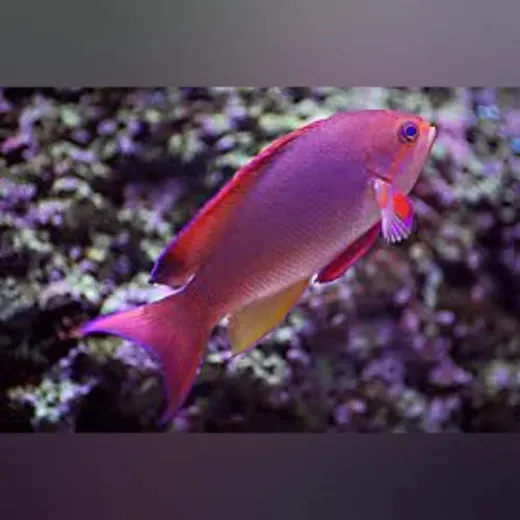
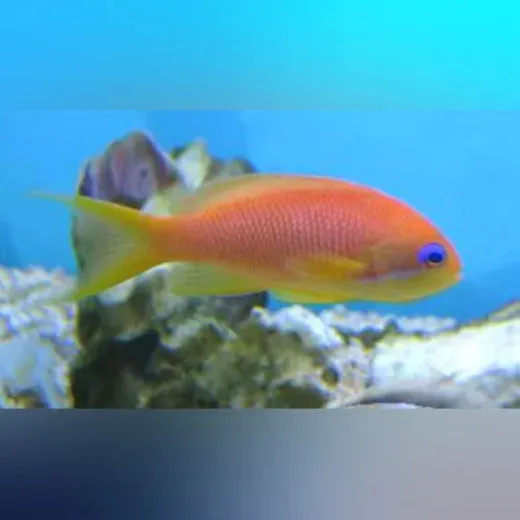
The Squamipinnis Anthias (Pseudanthias squamipinnis), also known as the Blue Eye Anthias or Lyretail Anthias, is a stunning and active species that adds vibrant color and a mesmerizing schooling effect to any marine aquarium. This magnificent anthias exhibits striking sexual dimorphism: males have a brilliant reddish-purple body with an elongated dorsal fin and a forked ‘lyre-shaped’ tail, while females display a beautiful golden-orange hue. The Squamipinnis Anthias is an active, open-water swimmer that thrives in groups, creating a breathtaking visual display as they swim together. It is completely reef-safe and will not harm corals or other invertebrates.
| Species | Pseudanthias squamipinnis |
|---|---|
| Common Names | Blue Eye Anthias, Lyretail Anthias |
| Sexual Dimorphism | Males: reddish-purple with lyre-shaped tail; Females: golden-orange |
| Behavior | Active, schooling, open-water swimmer |
| Reef Safety | Reef-safe; does not harm corals or invertebrates |
FAQ
What is the difference between male and female Squamipinnis Anthias?
Males have a brilliant reddish-purple body with an elongated dorsal fin and a forked, lyre-shaped tail. Females are golden-orange in color and lack the vivid red-purple tones and distinct tail shape.
Is the Squamipinnis Anthias safe to keep with corals?
Yes, the Squamipinnis Anthias is completely reef-safe and will not harm corals or other invertebrates.
How many individuals should be kept in a tank?
It is recommended to keep at least 6 to 10 individuals to achieve the natural schooling behavior and visual impact.


Isaac Russell –
The Squamipinnis Anthias are a highlight in my reef tank. The males are vibrant with their purple and lyre tail, and the females add a warm golden glow. They swim together in a lively school, creating a dynamic and beautiful display. No aggression or coral damage observed after three months.
Carol Simpson –
I bought a group of both males and females and they’ve been thriving. The color contrast is stunning, especially in the evening light. They’re active but not disruptive, and they don’t bother the corals at all.
Kylie Hart –
The fish arrived healthy and settled quickly. The schooling behavior is impressive, though the males can be a bit more active than expected. Still, they look great and add a lot of visual interest to the tank.